
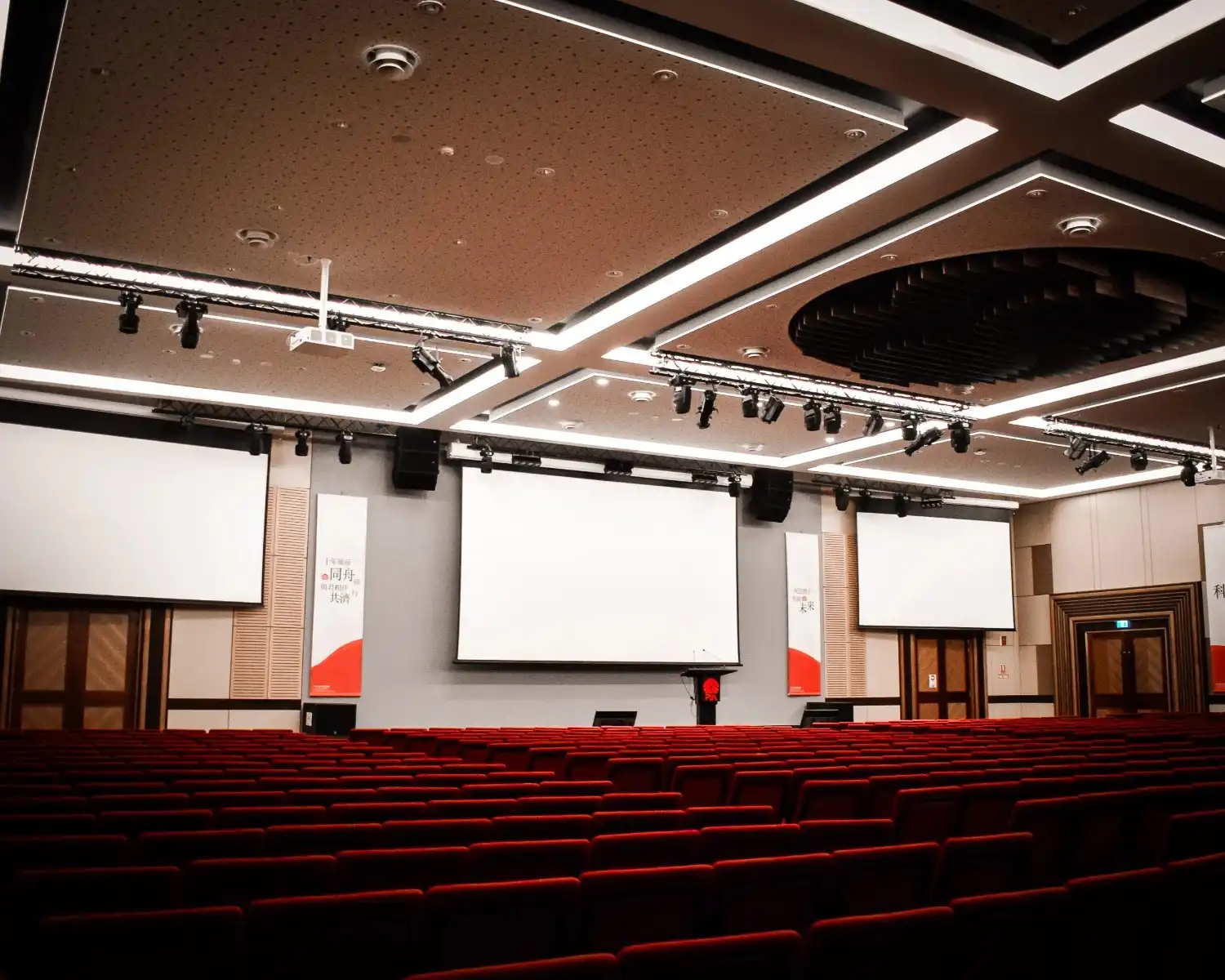
Audio Visual Solutions for Higher Education improve teaching quality, student engagement, and campus communication by equipping universities and TAFEs with reliable, scalable technology that supports modern learning methods. From lecture theatres to hybrid classrooms, the right AV systems help educators deliver clear instruction while giving students flexible access to content on campus or remotely.
Across Australia, higher education institutions are investing in smart classrooms, lecture capture systems, digital signage, and campus wide sound reinforcement. With growing demand for blended and online learning, Audio Visual Solutions for Higher Education are no longer optional. They are a practical requirement for delivering competitive academic programmes and maintaining strong student outcomes.
Why Universities Need Advanced AV Systems
Evolving Student Expectations
Modern students expect interactive learning environments. Traditional whiteboards and static projectors are being replaced by interactive displays, wireless presentation tools, and high definition video conferencing platforms such as Zoom and Microsoft Teams. These platforms support remote collaboration, guest lectures, and international research partnerships.
Supporting Flexible and Remote Learning
Effective Audio Visual Solutions for Higher Education enable lecturers to record sessions, stream live content, and share materials instantly. This flexibility supports students balancing study with work commitments, particularly across regional Australia where distance learning plays a significant role.
Key Components of Audio Visual Solutions for Higher Education
Smart Lecture Theatres
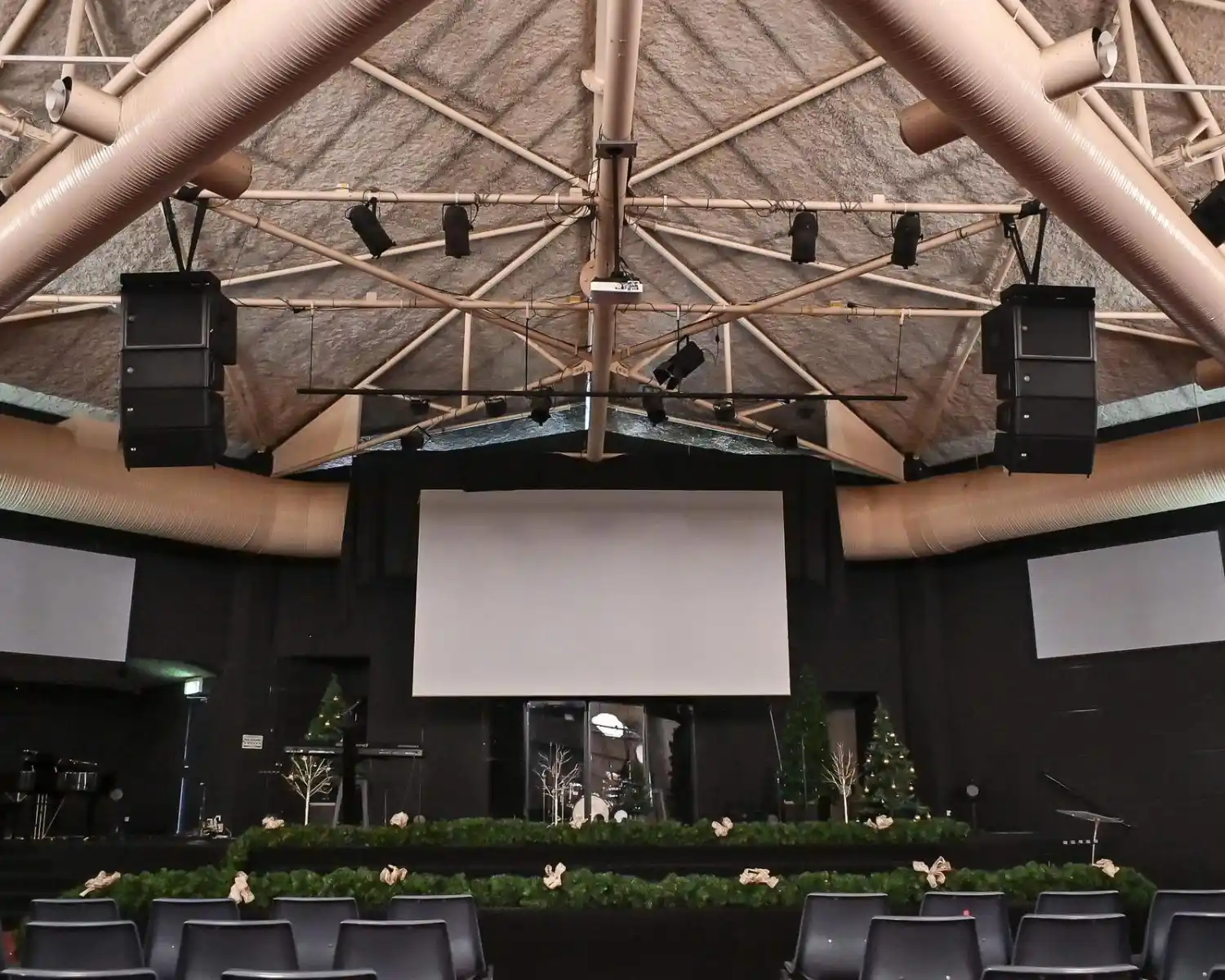
Large lecture spaces require high lumen projectors or LED displays, professional microphones, distributed speaker systems, and automated control panels. Clear sightlines and balanced audio are essential so every student receives the same learning experience, regardless of seating position.
Hybrid Learning Classrooms
Hybrid setups combine in room teaching with remote participation. Cameras with auto tracking, ceiling microphones, and echo cancellation processors ensure smooth interaction between on campus and remote students. These Audio Visual Solutions for Higher Education also allow lectures to be recorded and archived for revision.
Collaboration Spaces
Group learning is central to university life. AV enabled collaboration rooms with wireless screen sharing and interactive touch displays encourage teamwork and active discussion. Institutions aligned with Universities Australia standards are increasingly prioritising these flexible spaces to meet evolving teaching practices.
Digital Signage and Campus Communication
Digital signage networks help universities broadcast announcements, emergency alerts, event information, and wayfinding guidance. In larger cities such as Sydney and Melbourne, multi campus institutions rely on centralised AV control to manage communication efficiently.
Benefits for Students and Educators
Measurable Advantages for Academic Communities
Well designed Audio Visual Solutions for Higher Education deliver measurable advantages for both students and educators, supporting improved learning outcomes and operational efficiency.
Improved Student Engagement
Interactive displays, real time polling tools, and collaborative platforms increase participation and encourage active learning within lectures and tutorials.
Greater Accessibility
Recorded lectures and captioning features make course content more accessible to students with diverse learning needs and those balancing study with work commitments.
Reduced Technical Disruption
Centralised system management allows IT teams to monitor performance, address issues quickly, and minimise classroom downtime.
Stronger Collaboration
Reliable video conferencing and content sharing tools strengthen collaboration between faculties and international partners, expanding research and teaching opportunities.
Enhanced Campus Safety
Integrated communication systems enable rapid distribution of announcements and emergency alerts across campus facilities.
Supporting Regional Education
For regional campuses and TAFEs, robust AV infrastructure bridges geographical distance and ensures educational equality across Australia.
Planning and Installation Considerations
Understanding Campus Infrastructure
Every campus is different. Heritage listed buildings require careful cable routing and discreet equipment placement. Newly constructed facilities may allow integrated AV during the design phase. Engaging experienced providers ensures compliance with Australian standards, acoustic performance requirements, and network security protocols.
Room Size and Acoustic Treatment
Room dimensions and surface materials directly affect sound clarity and visibility. Proper acoustic treatment ensures speech intelligibility, while correctly positioned displays and speakers provide consistent coverage for all students.
Network Bandwidth and IT Compatibility
When planning Audio Visual Solutions for Higher Education, institutions must assess existing network capacity and compatibility with campus IT systems. Reliable bandwidth supports streaming, lecture capture, and hybrid learning without disruption.
Scalability for Future Expansion
Technology should support institutional growth. Scalable systems allow additional classrooms, campuses, or features to be added without replacing existing infrastructure.
Ongoing Maintenance and Technical Support
Regular servicing and responsive technical support reduce downtime and extend equipment lifespan. A clear maintenance plan keeps systems operating at peak performance.
Staff Training for Lecturers and Administrators
Even the most advanced systems require confident users. Training ensures lecturers and administrators can operate equipment efficiently and resolve minor issues independently.
Strategic Implementation
A strategic approach prevents compatibility issues and unnecessary expenditure while ensuring Audio Visual Solutions for Higher Education deliver long term value.
Supporting Sustainability Goals
Universities across Australia are working toward sustainability targets. Energy efficient LED displays, automated power scheduling, and remote monitoring reduce energy consumption. Smart AV control systems minimise equipment idle time and extend product lifespan. Thoughtfully designed Audio Visual Solutions for Higher Education align with institutional environmental commitments while lowering operating costs.
Why Partner with Specialists
Reliability Is Essential in Education
Educational environments demand reliability. Equipment failure during exams or live broadcasts can disrupt operations and affect institutional reputation. Professional integrators understand the specific needs of universities, from large scale lecture capture systems to small tutorial rooms.
Expert Guidance for AV Strategy
If your institution is reviewing its AV strategy, consider speaking with Showtime Productions for practical advice and system design guidance suited to Australian campuses. Their experience with educational facilities ensures projects are delivered on schedule and within budget.
Scalable Planning for Growth
For universities planning upgrades or new builds, a consultation with Showtime Productions can help assess current infrastructure and recommend scalable Audio Visual Solutions for Higher Education that align with long term academic goals.
Take the Next Step
When you are ready to modernise your campus technology, contact Showtime Productions directly to discuss a customised AV solution that supports your teaching objectives and future growth.
The Future of Audio Visual Solutions for Higher Education
Artificial intelligence driven cameras, advanced lecture analytics, and immersive virtual classrooms are gaining traction. As universities compete globally for students, technology investment will continue to shape institutional reputation. Reliable Audio Visual Solutions for Higher Education help create inclusive, flexible, and high performing learning environments that support academic excellence across Australia.
Frequently Asked Questions
What are Audio Visual Solutions for Higher Education?
They are integrated systems including displays, microphones, speakers, cameras, control systems, and collaboration software designed to support teaching, learning, and campus communication.
Why are hybrid classrooms important in Australia?
Australia has a large regional population. Hybrid classrooms allow institutions to serve remote students effectively while maintaining interactive learning standards.
How often should AV systems be upgraded?
Most institutions review major AV infrastructure every five to seven years, depending on usage and technological advancement.
Can AV systems integrate with existing university IT networks?
Yes. Professional providers design Audio Visual Solutions for Higher Education that align with campus IT policies, network capacity, and cybersecurity requirements.
Is professional installation necessary?
Professional installation ensures system reliability, acoustic performance, and compliance with Australian standards, reducing long term operational issues.