
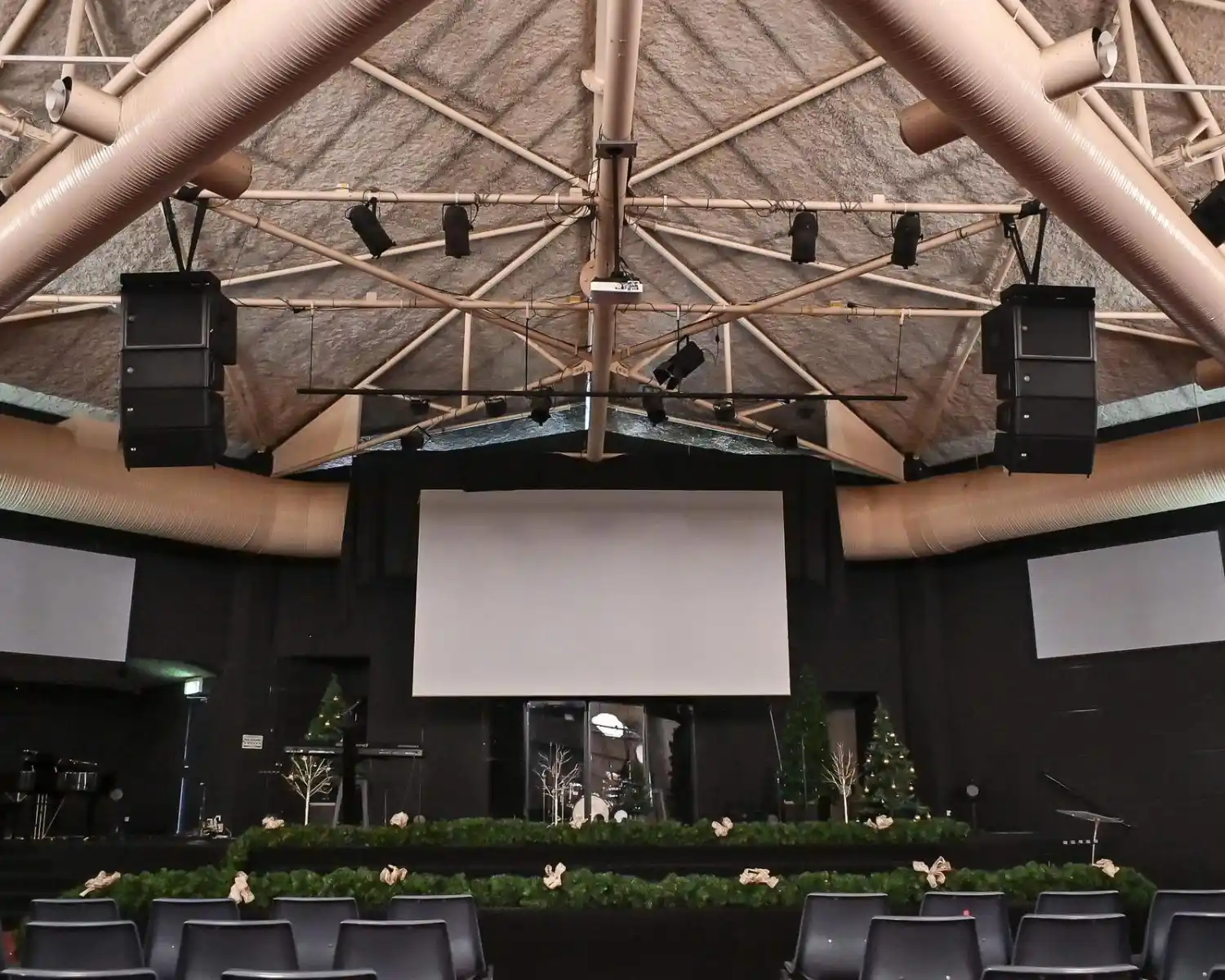
Selecting the right Audio System for Your Venue Type is all about finding the perfect match between your space, audience size, and purpose. Whether it’s a live music venue, a conference hall, a restaurant, or a place of worship, the right audio setup ensures clarity, consistency, and an engaging experience for everyone in the room. The key is to balance power, coverage, and sound quality without overcomplicating your setup or overspending.
Understanding the Basics of Venue Audio Systems
Before making any decisions, it’s important to understand what makes an audio system work well for a particular venue. Every system comprises three key parts:
1. Input Devices: These include microphones, musical instruments, or playback devices that feed sound into the system.
2. Processing Equipment: Mixers, amplifiers, and equalisers that shape and control the sound.
3. Output Devices: Speakers and monitors that project the sound to the audience.
Each venue’s requirements differ depending on its size, acoustic characteristics, and the type of events hosted.
Choosing the Right Audio System for Small Venues
Smaller venues such as cafés, meeting rooms, or boutique restaurants often don’t need high-output systems. Instead, focus on clarity and balance. Compact powered speakers or column PA systems are great options because they offer good sound dispersion without taking up too much space.
Wireless microphones can be useful here too, reducing cable clutter while allowing flexibility for small performances or presentations.
If you’re unsure which system will work best for your small venue, the team at Showtime Productions can help you choose a solution that fits your space and budget perfectly.
Audio Systems for Medium-Sized Venues
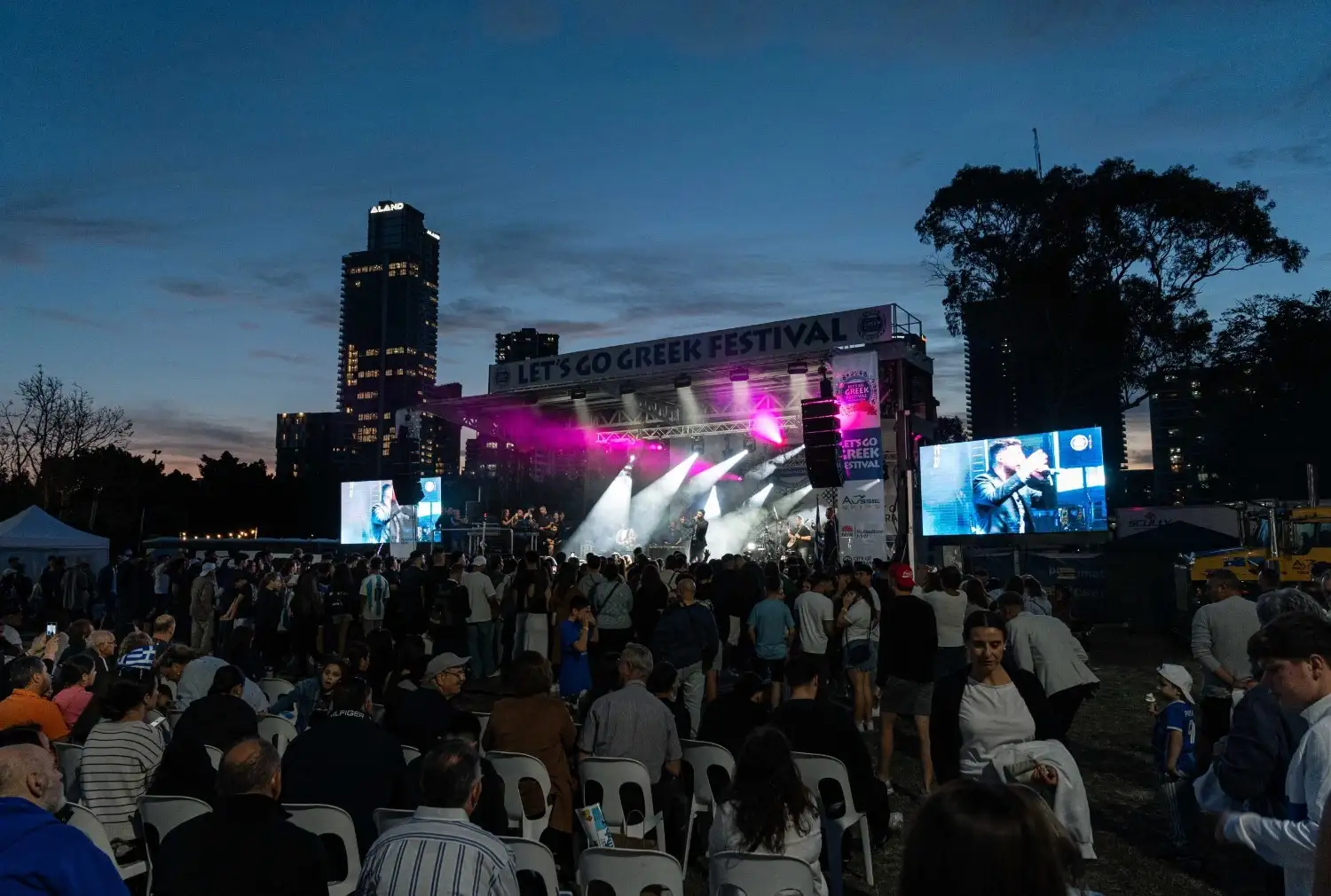
Medium venues like school halls, function rooms, and places of worship require more coverage and slightly more power. These spaces benefit from multi-speaker setups that can distribute sound evenly without creating dead zones.
Acoustic treatment becomes more important at this level, as hard surfaces can reflect sound and cause echo or distortion. Adding sound-absorbing panels or diffusers can make a big difference in achieving a clear and balanced sound.
A combination of wired and wireless microphone systems can offer flexibility for speeches, live performances, or ceremonies.
Audio Systems for Large Venues and Performance Spaces
For large venues such as theatres, auditoriums, or stadiums, the requirements are significantly different. These spaces demand high-powered line array systems that can project sound evenly across large distances.
You’ll also need a robust signal processing system to manage multiple audio channels and avoid interference. Digital mixers with recallable presets can make it easier to adjust for different events quickly.
In these environments, professional design and installation are essential. Proper calibration ensures every seat gets the same high-quality sound experience, whether it’s the front row or the back corner. Showtime Productions specialises in designing and installing high-performance audio systems for large venues. Their experts ensure every detail is tuned for clarity, consistency, and audience satisfaction.
Key Factors to Consider When Choosing an Audio System
Venue Size and Shape
Larger or irregularly shaped venues need more complex setups to ensure even sound distribution.
Type of Events
A live music venue will have different requirements from a lecture hall or worship space. The purpose of the venue dictates the type of microphones, mixers, and speakers needed.
Acoustics
Consider the materials and layout of the room. Wooden floors, glass walls, and high ceilings can all affect sound quality.
Ease of Use
If your system will be operated by non-technical staff, choose equipment with simple controls and automated settings.
Budget
High-end systems offer superior sound, but there are quality options at every price point. Investing in professional installation can save money in the long run by avoiding costly issues later.
Future Expansion
Choose a scalable system that can grow as your venue’s needs evolve.
Why Professional Installation Matters
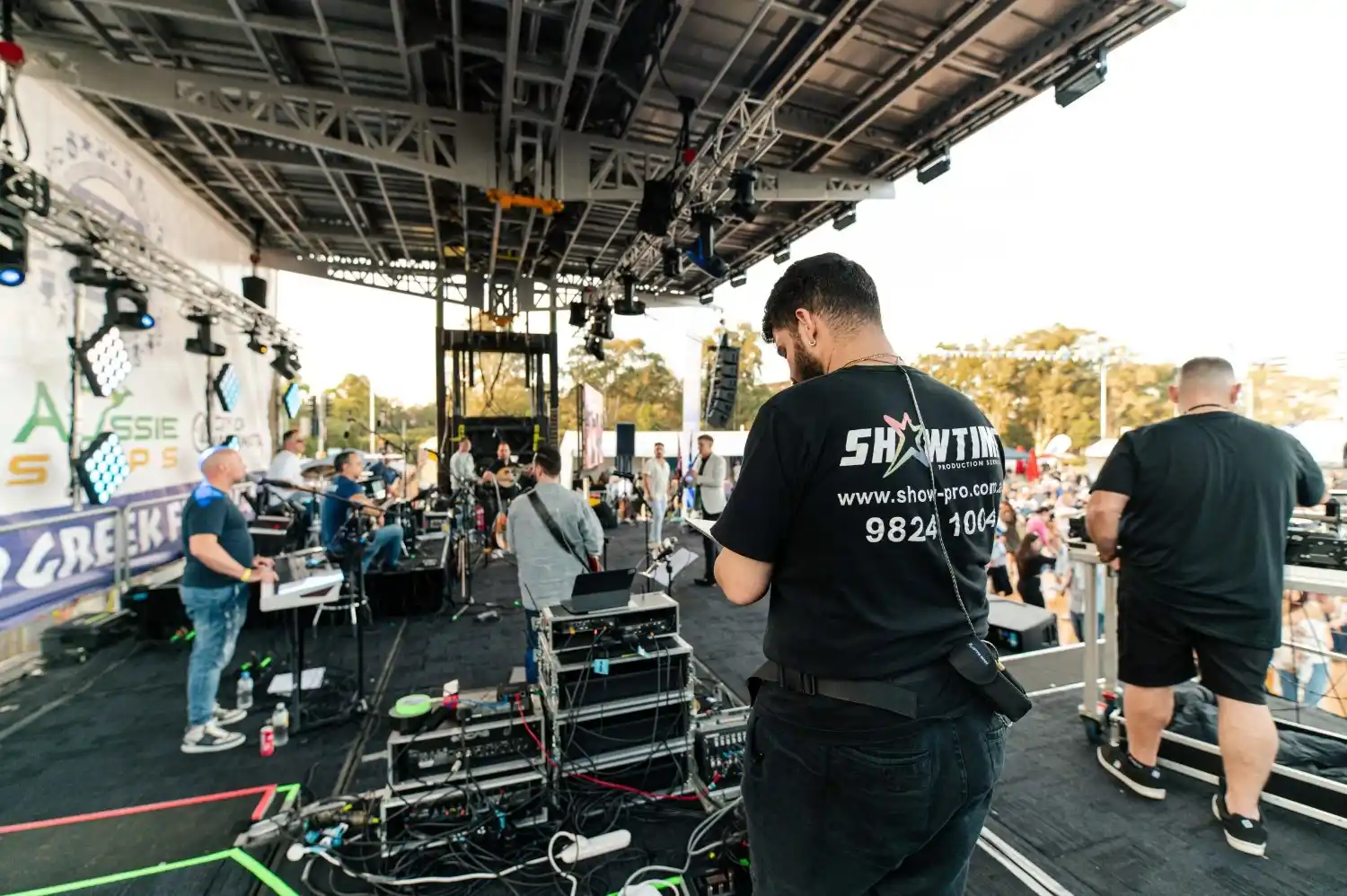
Even the best audio equipment can perform poorly if it’s not installed correctly. Professional installers understand the acoustic characteristics of different spaces and can fine-tune speaker placement and signal flow for maximum impact.
Proper installation also ensures compliance with Australian electrical and safety standards, giving you reliability and peace of mind.
Showtime Productions: Your Audio Partner in Australia
Whether you’re setting up a small café sound system or designing an audio experience for a stadium, Showtime Productions provides expert guidance, equipment, and installation services. With years of experience across Australian venues, their team delivers sound systems that perform beautifully in real-world conditions.
Ready to design the perfect Audio System for Your Venue Type? Contact Showtime Productions today to discuss your project and get a customised solution that delivers outstanding sound quality for your audience.
Frequently Asked Questions
How do I know what audio system is right for my venue?
Start by assessing your venue size, acoustic conditions, and the types of events you’ll host. A professional audio consultant can help match equipment specifications to your needs.
Can I use a single speaker system for different venue types?
While it’s possible, it’s rarely ideal. Each venue type has unique acoustic challenges, so customising the setup improves sound quality and audience experience.
What’s the difference between active and passive speakers?
Active speakers have built-in amplifiers, making them more convenient for smaller setups. Passive speakers require external amplifiers but offer more control for larger systems.
Do I need a mixer for my audio system?
If you’re managing multiple audio sources like microphones, instruments, or media players, a mixer is essential for balancing and controlling sound levels.
How often should my venue’s audio system be maintained?
It’s best to schedule a professional check at least once a year. Regular maintenance ensures reliable performance and prevents technical issues during events.