
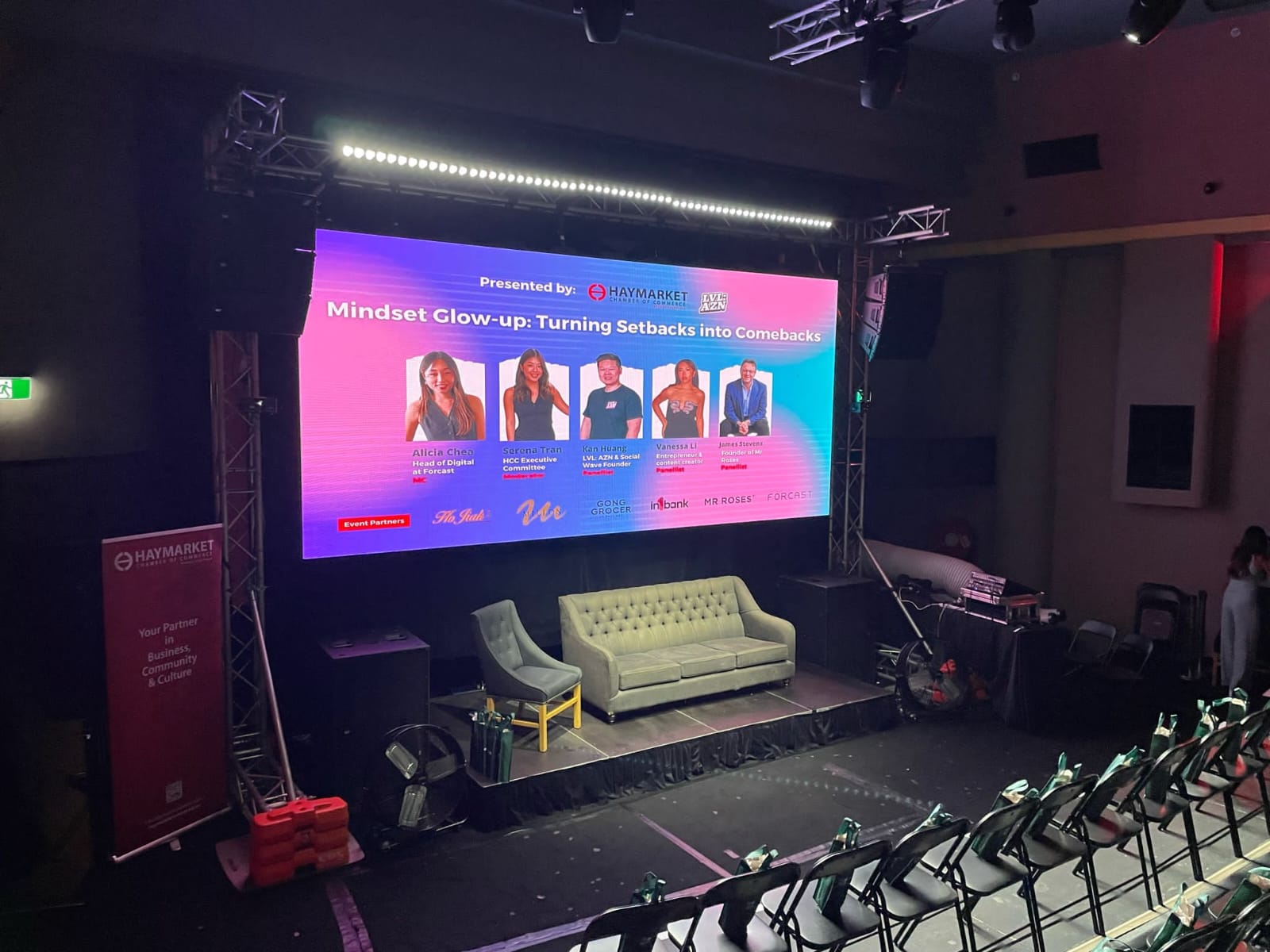
You’ve seen it. Heard it. Felt it.
The mic that drops out halfway through a speech.
The projector that looks great on paper, useless in daylight. The “state-of-the-art” system that needs an IT guy every time someone wants to raise the volume.
Most AV installs fail because someone started with the gear, not the room.
No one asked:
- What kind of events run here?
- Who’s actually operating this system?
- How does sound bounce off these walls?
- Where’s the light hitting at 3 pm?
And so you end up with a system that ticks boxes but doesn’t serve people. One that sounds good in an empty room and falls apart when the room fills up.
And it’s usually not due to the budget. It’s the bad thinking. And when it’s done wrong, you live with the headaches daily.
What ‘Venue-Specific AV’ Actually Means And Why It’s the Only Kind That Works
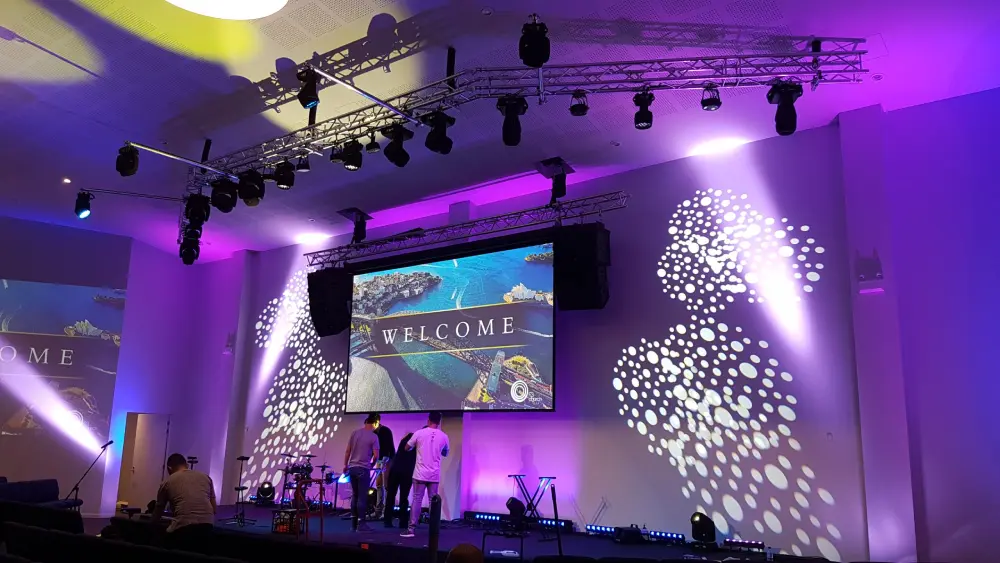
Real AV design starts with knowing the space better than the floor plan does. Take Oasis Brisbane, for example. A floating venue. Three decks. Open air. Saltwater.
We didn’t simply install “marine-grade audio.” We mapped every zone so the bass didn’t eat the vocals, and no one got feedback from the railings. Because if you can’t get sound right on a moving barge, don’t bother calling yourself a professional.
Or Shire Christian College. School hall. Shared stage. Teachers running the system. They didn’t need racks of pro gear. They needed a setup that could survive a choir performance, a sports award night, and a forgetful teacher on a Friday afternoon, without tech support. Or Let’s Go Greek Festival. 30,000 people. Open streets. Public noise. Moving crowds.
We didn’t just throw up speakers. We engineered sound paths so announcements could cut through food vendors, traffic noise, and drunk uncles without turning the volume into a weapon. That’s venue-specific. Not fancy. Not expensive. Just done with care, control, and the understanding that every space is a system. It’s never about the equipment. It’s always about the event working exactly how it should.
Where It Breaks First – 3 Spaces That Can’t Afford Generic AV
Most AV disasters don’t start with failure. They start with assumptions. Someone assumes a boardroom works like a lecture hall. That a theatre is just a big classroom. That the person running sound has time to “figure it out.”
Here’s where it goes wrong most often, and where Showtime Production gets it right.
Boardrooms & Hybrid Meeting Spaces
The mistake: Installers treat them like tech showrooms. Touchscreens no one understands. Mics that don’t pick up unless you lean in like it’s a confessional. Poor echo management. Terrible Zoom quality.
The fix:
- Beamforming mics that don’t care if you lean back.
- Auto-levelled audio so you don’t get volume jumps when people shift seats.
- A control interface that makes sense to the person running the meeting, not just the IT team.
You want the CEO to walk in, hit one button, and everything just works. That’s it.
Theatres, Halls & Performance Spaces
The mistake: One-size-fits-all sound systems slapped in auditoriums. Dead zones on the balcony. Too much bass in the front row. Mics that feed back as soon as the kids step on stage.
The fix:
- Zoned speaker arrays tuned to the room shape, not just its size.
- Wireless mic systems with frequency planning done properly, not last-minute.
- Lighting rigs that won’t blind the audience - or drown out the visuals.
What’s the point of sounding good during the soundcheck when it fails to deliver when the room is full, the crowd’s noisy, and the stakes are real?
Schools, Councils & Multi‑Purpose Rooms
The mistake: Assuming the person using the system is tech-savvy. Many AV setups in schools and councils are built for AV professionals. The problem? Most of the people running events aren’t AV professionals. They’re teachers. Admin staff. Volunteers.
So what happens?
- Cables get pulled.
- Settings are lost.
- Nobody knows how to switch from “assembly” mode to “presentation” mode.
- By Term 2, no one touches the system without a technician on speed dial.
The fix:
- Scene presets: One button for assembly. One for parent night. One for a musical rehearsal.
- Minimal interfaces: If it takes a manual to operate, it won’t be used.
- Rugged, lockable setups with labelled ports and no spaghetti wiring.
AV that works only when the AV guy is in the room? That’s not a solution. That’s a dependency. And in schools and councils, it’s a bad choice.
How to Tell if an AV Installer Actually Knows What They’re Doing
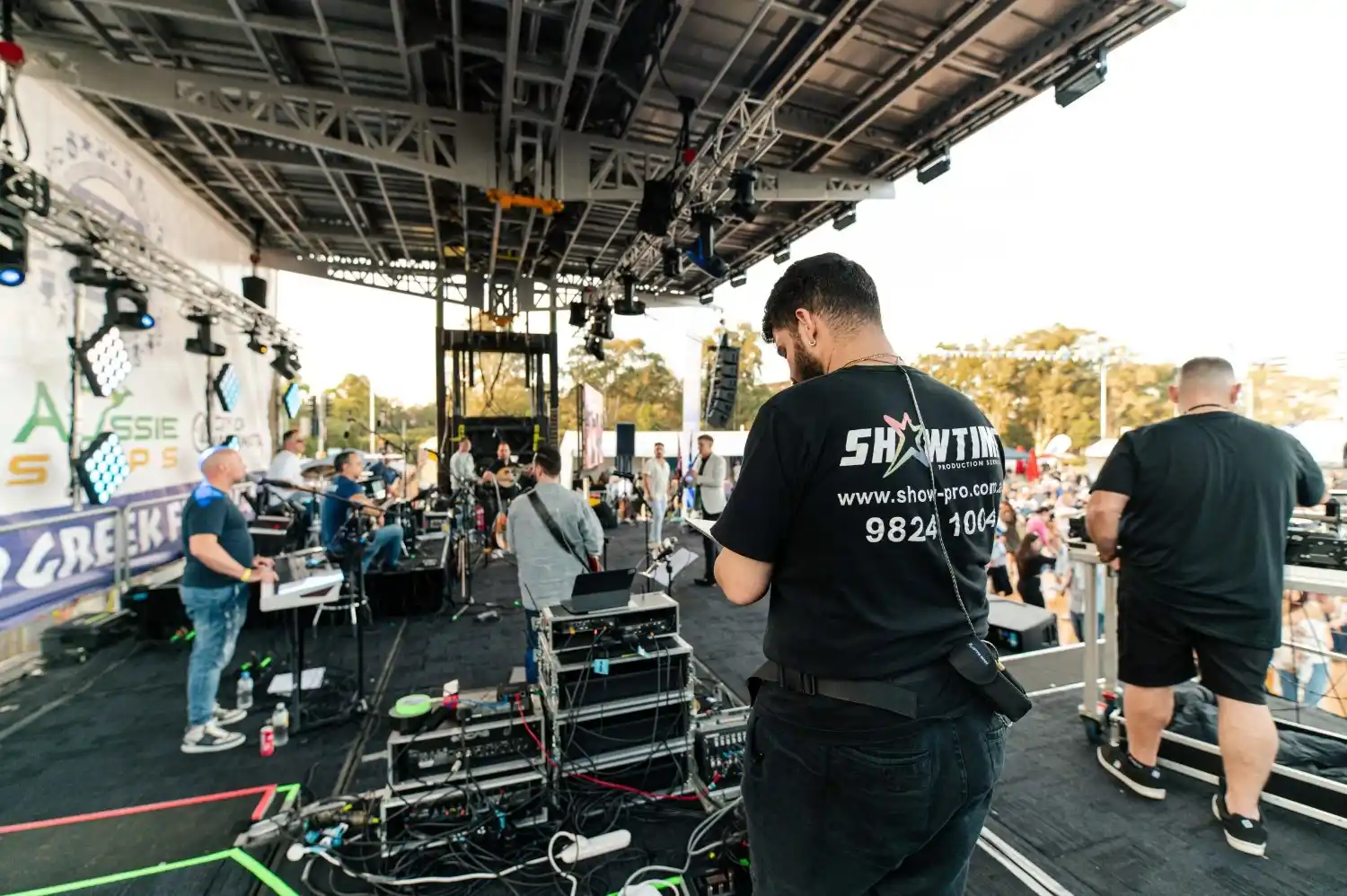
This part’s critical. Before they install anything, they need to prove they understand your venue, not just the invoice.
Here’s how you know you’ve found someone worth trusting:
They ask about use, not just size
If they don’t ask how the space is used – by whom, when, how often – they’re quoting from a template. Walk away.
They talk sound, light, and control as one system
If they pitch audio without thinking about lighting angles or projection wash, you’re headed for mismatches and surprises.
They ask to see the space
Phone quotes and catalogue PDFs don’t cut it.
If they haven’t walked the site, they’re guessing. And guesses cost more in the long run.
Great AV isn’t built in spreadsheets. It’s built by people who walk the space, read the room, and plan with precision.
How We Solve Problems You Didn’t Know Were Solvable
AV disasters rarely come from bad gear. They come from tiny decisions that nobody thought mattered. Until they did.
Here’s how we’ve handled challenges most installers don’t notice until they’re being yelled at during an event.
Oasis Brisbane – The Venue That Moves
Problem: Three open-air decks. Saltwater in the air. No roof. No walls. Sound bounces weird. Water rusts everything. Cables corrode. Guests move around constantly.
What most installers would do: Throw some waterproof speakers up top, call it “marine-grade” and pray for dry weather.
What we did:
- Zoned audio across all decks to avoid dead spots.
- Weatherproof cabling, sealed connectors, stainless brackets.
- Tuned EQ so speech cut through cocktail noise - without blasting the top deck.
- Every component is mounted with salt and sway in mind.
The result? A floating venue that sounds better than half the fixed ones on land.
Shire Christian College – Built for Teachers, Not Techs
Problem: One hall. Five event types. Zero technicians. Assemblies, performances, and parent nights – all run by admin staff or teachers, with no time for tutorials.
What most installers would do: Offer training, hand over a manual, and move on.
What we did:
- Created scene presets: one for every core event.
- Mounted touchscreen interface with locked-out advanced settings.
- Labelled every physical input - clearly, permanently, intuitively.
- Installed gear that didn’t just sound good, but looked like something you weren’t scared to touch.
The result? Teachers run full events solo. No panicked calls. No “tech setup days.” Just walk in and go.
Let’s Go Greek Festival – 30,000 People, One Chance
Problem: One-day outdoor event. Five stages. Moving foot traffic. Wind. Public safety requirements. One speaker drop, and the whole show collapses.
What most installers would do: Set up towers. Hope for the best. Pack spares.
What we did:
- Engineered sound paths for overlapping stage zones.
- Distributed PA arrays with safety zoning and crowd dispersal in mind.
- Built redundancy into power routing - failover without fallback.
- Tuned for both speech clarity and cultural music performance.
The result? Not just clear sound across the venue, but zero blowback from council or event teams. No failures. No delays. Just flow.
We don’t just solve the obvious. We look at the edge cases, the quiet problems that only show up when it’s too late.
That’s what venue-specific AV really means.
The Process That Keeps It Bulletproof
Anyone can install equipment. The difference is in how we think before we touch anything, and what we leave behind after we pack up.
Here’s how we do it, every single time:
1. Site Discovery
We don’t quote blindly. We walk the space. We listen to how it’s used. We check ceiling height, lighting angles, surface reflection, cabling access, and what the venue is really dealing with.
Because quoting without context is guessing, and guessing gets expensive.
2. System Mapping
This is where the design lives. Not just what goes where, but why.
We build a solution around your use cases: from a single boardroom to a theatre that doubles as a performance and community venue.
3. Clean, Certified Installation
No subcontractor roulette. Our in-house team handles installation, integration, compliance, and post-checks. Everything is done to AV industry and NSW standards.
Cables are run like professionals touched them, not like someone panicked an hour before opening night.
4. On-Site Training
We train the people who’ll actually use the system, not just IT. That means staff, volunteers, teachers, and event managers. With presets, guides, and real-world examples, not jargon and theory.
If someone’s walking into your venue on short notice, they should still be able to run the show.
5. Ongoing Support
Things evolve. Rooms change. Staff turnover. Events scale up.
We stay connected with support plans, firmware updates, upgrades, and tweaks that keep your system relevant, responsive, and rock-solid.
You don’t need AV that makes you dependent. You need AV that makes you independent and supported when it matters.
Ready to Make Your Space Work Like It Should?
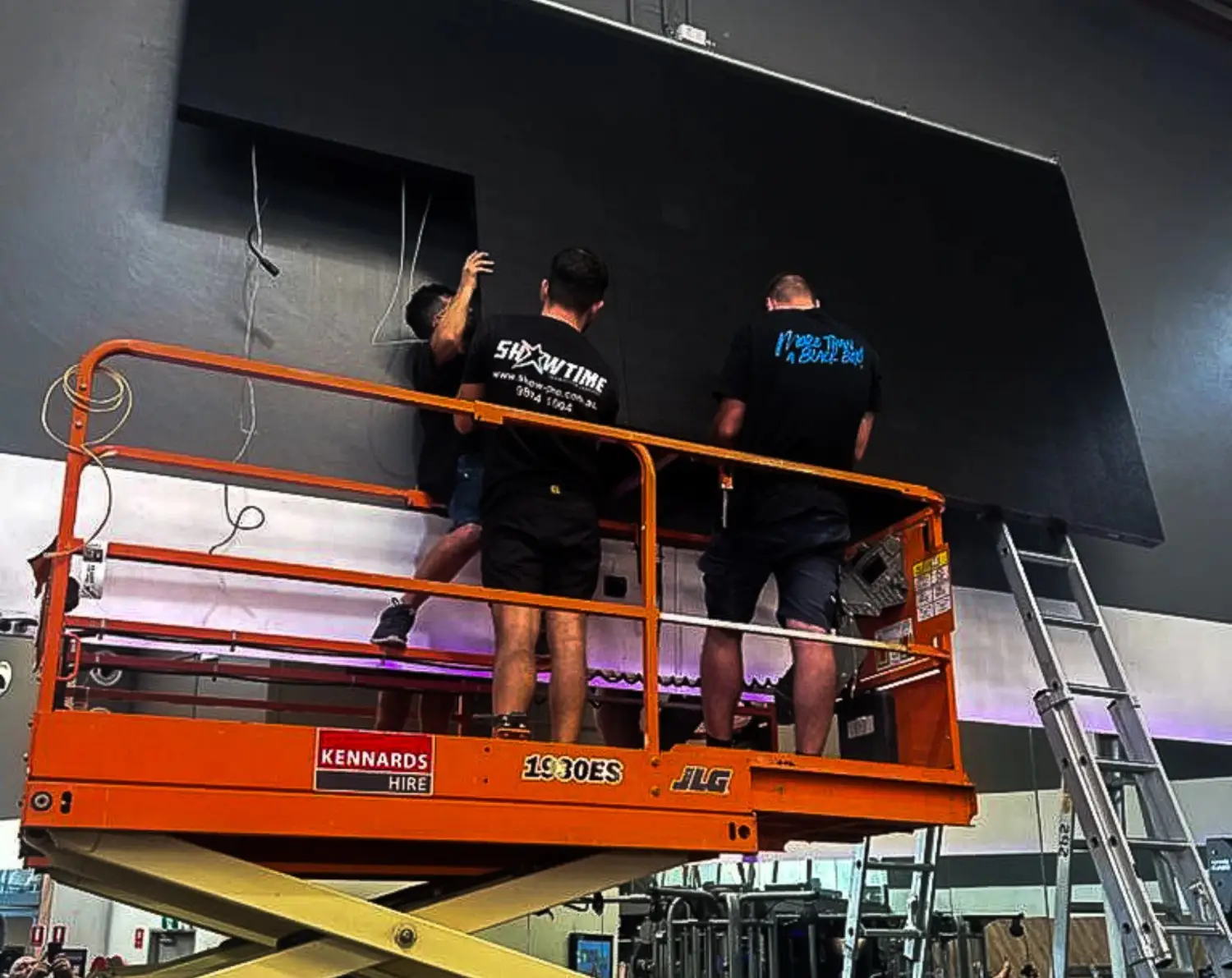
Let’s be real.
Bad AV feels invisible until it ruins the moment. A missed cue. A blown speaker. A red-faced teacher fumbling with HDMI cables. And suddenly the whole room feels off.
But when it is right? You don’t think about the system. You focus on the content, the message, the experience.
That’s what we build.
Let’s start with a walkthrough. No pressure. No jargon. Just one of our team members showing up, looking at your space, and giving you straight answers.