
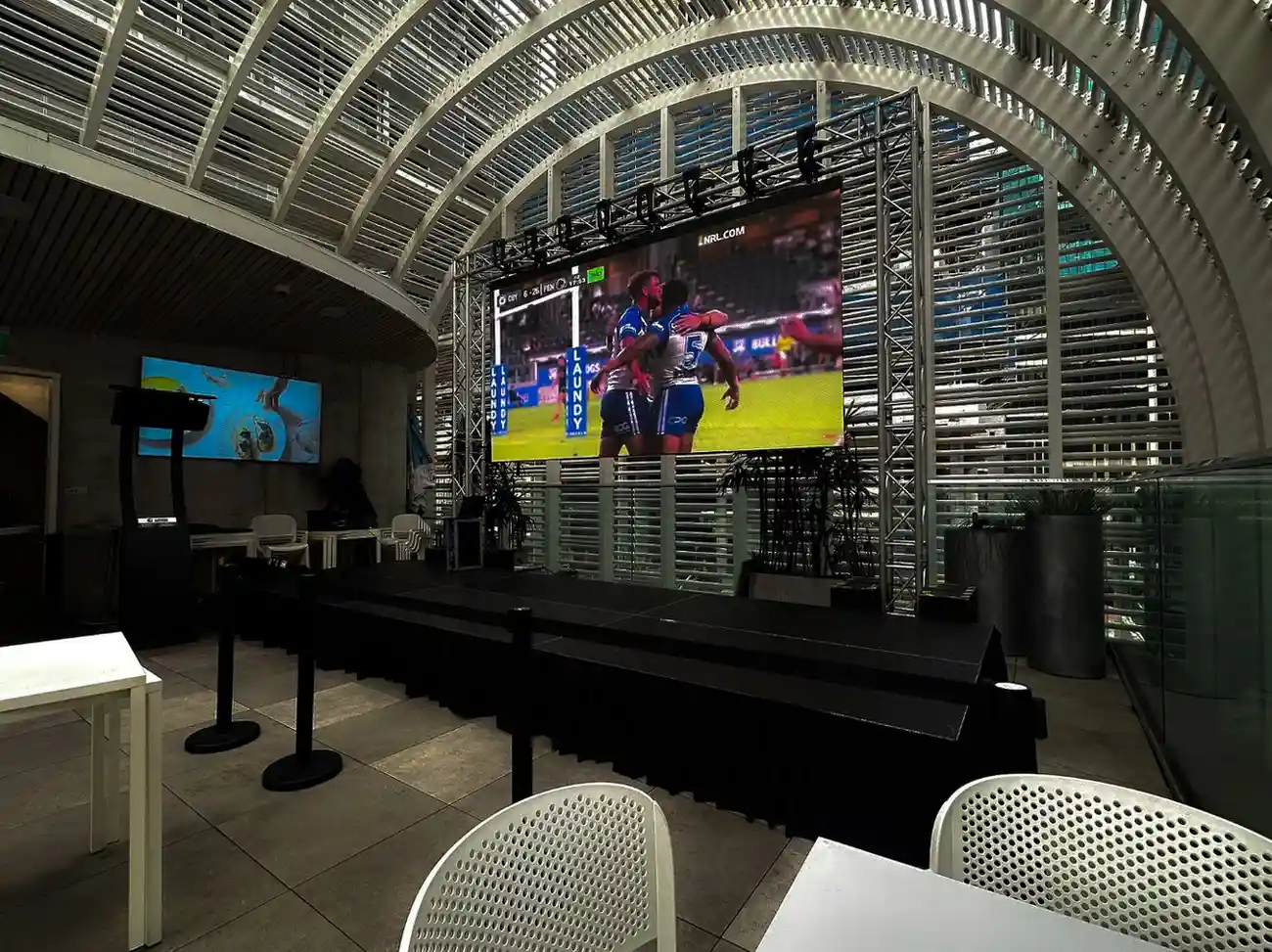
Ever had gear that just refuses to play nice together, right at crunch time? That’s frustration no one wants. AV system chaos can derail an event fast – especially when cables, components, and tech don’t speak the same language.
It’s easy to overlook the small pieces that make a system click-timing mismatches, signal loss, or unreliable handoffs. Without clean integration, even great equipment stumbles, and that impacts how your audience experiences everything.
We help Showtime Production Services bring audio-visual gear together into a single, smart setup-one that works as hard as you do.
Defining AV System Integration
Purpose and relevance in modern environments
Technology keeps changing, and businesses need AV systems that work smoothly every time. Integration pulls everything into a single working unit-from projectors to microphones and control panels. That gives you better control, less setup hassle, and fewer breakdowns in critical moments.
Core components in integrated AV systems
Screens, speakers, microphones, cameras, processors, cables, and software all form the backbone of an AV setup. When properly matched and programmed, they act as one, creating a system that doesn’t miss a beat whether in a boardroom or on a floating venue like Oasis Brisbane.
Common integration scenarios across industries
From schools to festival grounds, integration differs with each use. Think classroom intercoms, cinema-quality sound for venues like Music Festivals, and high-end conferencing for BMW. Each space requires unique configurations to get it working right.
Scope of integration for physical and digital AV
Integration doesn’t stop at cables and racks. It includes platforms like video conferencing software synced with hardware, wireless sharing systems, and remote AV control apps so staff can manage systems straight from their devices.
Planning and Designing Integrated AV Systems
Assessing business needs and objectives
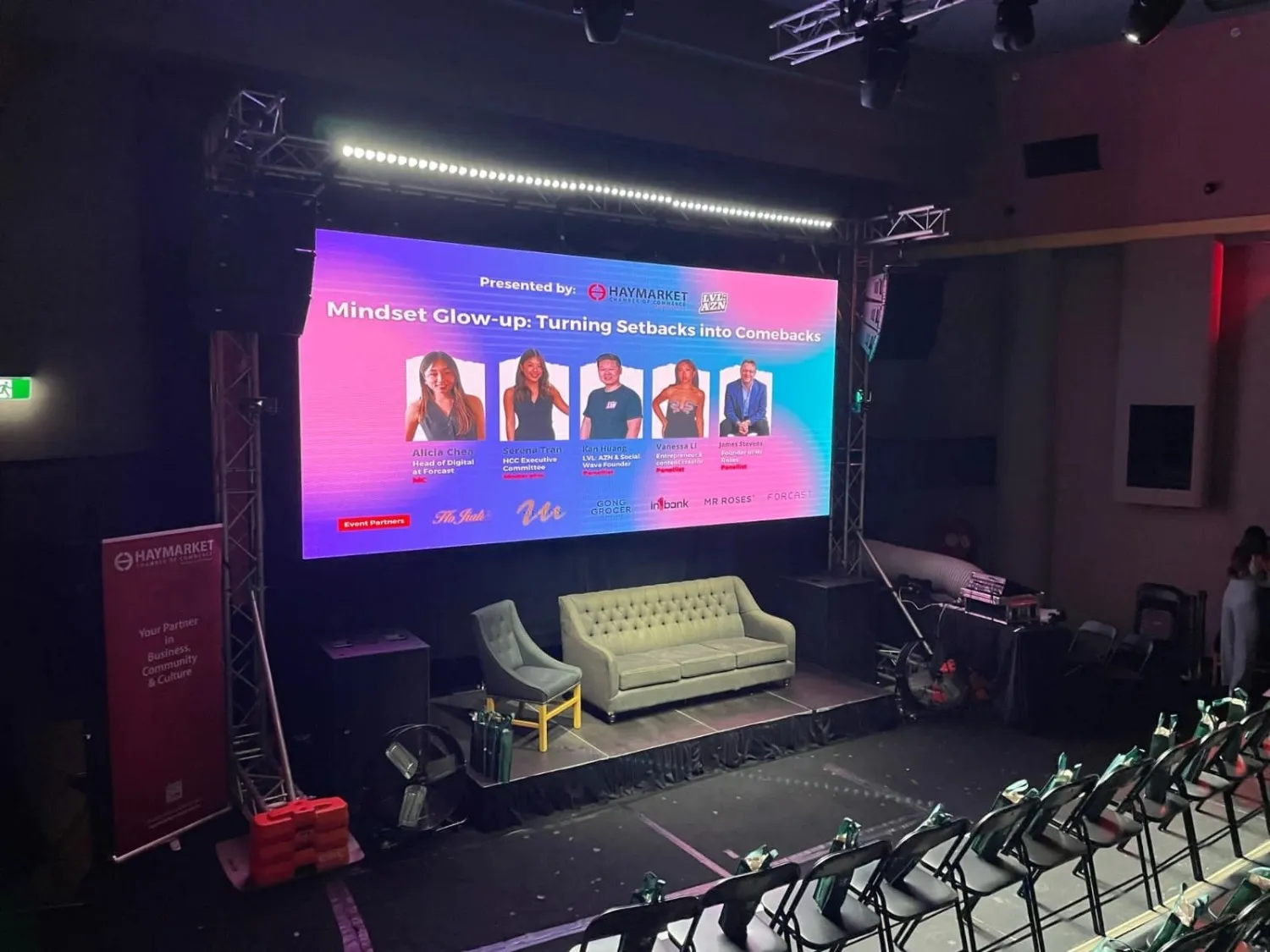
Every setup begins with listening to what the client actually wants. Is it about improving communication? Reaching a larger crowd? Reducing manual control steps? We always start by asking the right questions.
Selecting interoperable technologies
When brands don’t play nice together, you get headaches. Our job is to pick hardware and software that talk to each other without workarounds-just like we’ve done where multiple tech brands share a single control plan.
Designing customised AV infrastructure
Spaces are never the same. That’s where our custom fabrication makes all the difference. We build setups matched to client needs-no off-the-shelf bundles that don’t actually fit. Every cable, rack, and bracket is placed with purpose.
Role of space and acoustics in integration
High ceilings. Hard floors. Glass walls. These things change how sound behaves. Just like on Oasis Brisbane, where our marine-grade design overcame echo and background noise for clean, crisp sound across all decks.
Key Approaches in AV System Integration
Structured cabling and device alignment
Clean cabling is more than looks-it protects signal strength and system life. We route carefully, label everything, and keep power and signal lines separate to avoid interference. Proper alignment also prevents signal delays.
Software-based integration for control and automation
We use control software that gives you access from one screen-adjust lighting, volume, and feeds in seconds. Tools like Crestron’s and Extron’s systems let users simplify processes that used to need tech experts every time.
Compatibility across audio, video, and networking technologies
Everything connects-from Wi-Fi mics to streaming video. We make sure network points, switches, and settings can carry high-volume AV traffic without lag. Keeping all parts fully digital avoids the signal loss analog paths bring.
Streamlined deployment through standardised protocols
We stick to standards like HDMI, Dante, and HDBaseT so systems scale easily. That consistency makes future upgrades plug-and-play. Clients like Honda see better system performance and faster deployment from this approach.
Advantages of a Unified AV Ecosystem

Centralised management and control
Instead of juggling seven remotes or panels, one interface does it all. That central view helps teams see what’s working, where issues might be, and make real-time changes without physical access to each component.
Simplified user interactions
No need for IT to jump in every time someone wants to share a screen or change input sources. We make it easy for everyday users to control meetings, events, or classrooms without a learning curve.
Enhanced scalability and resource efficiency
Add more rooms, cameras, or speakers without ripping everything out. By building around scalable platforms, we prepare clients to grow naturally-just as Fairfield City Council has expanded their AV setups over time.
Consistency in system behaviour across spaces
Whether in the boardroom or on stage, you want controls to behave the same. We align setups so users don’t get confused when switching between rooms or teams. That lowers errors and boosts confidence in the system.
Leading AV Control Platforms and Brands
Crestron and Extron solutions
These two are giants for a reason. They provide reliable control over everything from lighting to video feeds. We’ve used both extensively, picking the one that suits the project better based on flexibility and control needed.
AMX and Q-SYS integration capabilities
These platforms shine in networked environments where digital sound and video mix across multiple spaces. Q-SYS is perfect for setups like Pontoon Bar, where duelling audio zones blend seamlessly with central control.
Cisco’s role in communication-driven AV environments
For clients needing strong conferencing tech, Cisco offers unbeatable voice and video quality. It’s especially useful in hybrid workplaces, where staff join meetings remotely with the clarity of in-person talk.
Overview of Innomate’s Innomesh platform
Innomesh connects different devices into one web-based dashboard. That means your team can control lighting, sound, signage, and more-all from a browser. It’s smart, fast, and ideal for managing venue-wide systems.
Challenges in Integration and Ways to Overcome Them
Resolving device interoperability issues
You can’t force gear to work together if they weren’t built for it. We use certified-compatible hardware and test early, avoiding surprises down the line. That’s saved brands like BMW countless delays.
Navigating vendor-specific ecosystems
Different brands speak different digital languages. We learn each system so we can bridge these gaps, using special protocols when needed or suggesting product swaps that suit the client without hurting function.
Managing legacy technologies
Old gear can still work if integrated the right way. We use adapters, converters, and hybrid setups to keep older infrastructure useful until you’re ready to fully upgrade. It’s about budget and practicality meeting halfway.
Ensuring network and data security
Every AV device that connects to your network needs safeguards. We lock them down with proper settings, firewalls, and passwords to protect systems from outside threats or unwanted access.
Operational and Strategic Benefits of Integration
Improved collaboration and meeting outcomes
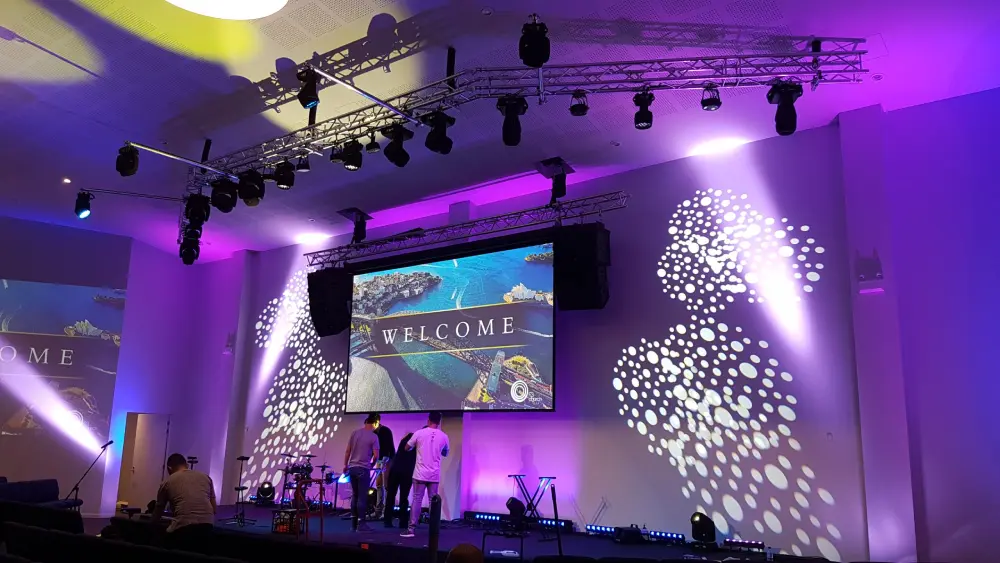
People come together better when tech doesn’t lag. With clean AV, folks hear better, see better, and stay engaged longer. We’ve seen this work wonders in schools and councils alike.
Reduced downtime and maintenance
An integrated system is easier to monitor. Our support team can diagnose issues faster through central control software, cutting down on disruptions and event-halting outages mid-presentation.
Lower total cost of ownership over time
The upfront investment can look high, but reduced labour, fewer replacements, and less downtime save plenty long-term. That’s exactly how recurring clients like Waverley College benefit every year.
Support for hybrid and remote work models
Integrated AV systems make it simpler to link up remote workers or partners across cities. Meetings flow with crystal-clear video and audio, no matter who’s in the room or on a call.
Future-Proofing AV Environments
Preparing for technology evolution
We plan for what’s coming, not just what’s current. That means adding ports, extra capacity, and modular installs that accept tomorrow’s tech without redoing today’s work.
Embracing SaaS and cloud-based platforms
Tools that run online reduce gear costs and give access on the move. They let teams edit content, manage assets, and track AV health from anywhere, making operations smoother.
Scalability for future demands
Whether scaling from one floor to five or adding digital signage to a store, our AV setups are ready. That’s how we keep long-term clients running without pausing progress.
Role of AI and automation in intelligent AV
AI-driven tools do things like auto-mix sound, adjust lights with audience size, or track speaking turns-making events less stressful and more polished for organisers and users alike.
Recommendations for Implementing AV System Integration
Choosing the right integration partner
Find someone who listens first, builds later. With clients like Honda, we dug deep into their goals before touching a single wire. That yields the best experience.
Creating a roll-out plan aligned with business workflows
A good setup doesn’t interrupt your day-to-day life. We line up our work with your calendar-whether that’s weekends, term breaks, or night shifts-to avoid workplace disruption.
Training and support strategies for end-users
If your team can’t use it, you’ve wasted your budget. We offer hands-on training and clear guidance, plus long-term support so tech frustrations don’t ruin meetings or events.
Monitoring and analytics for long-term success
System logs and usage data tell us what’s working or what needs a tweak. We build this into your setup, so performance stays sharp from day one through year five.
FAQs on AV System Integration
What should be included in an AV integration plan?
A strong plan covers hardware, software, connectivity, control systems, future expansion goals, user needs, timelines, and budgets.
How do I select technology that works well together?
Pick certified-compatible devices and platforms with open standards. We help clients make these choices based on proven success rates and testing.
Can new AV control systems be added to existing infrastructure?
Yes, hybrid setups are possible. We align legacy systems with new tech using adapters, converters, and updated software layers.
Are integrated AV networks secure and scalable?
Absolutely. With encrypted connections, protected ports, and secure cloud control, we keep networks safe while leaving room for future upgrades.
When Everything Just Works, You Feel It
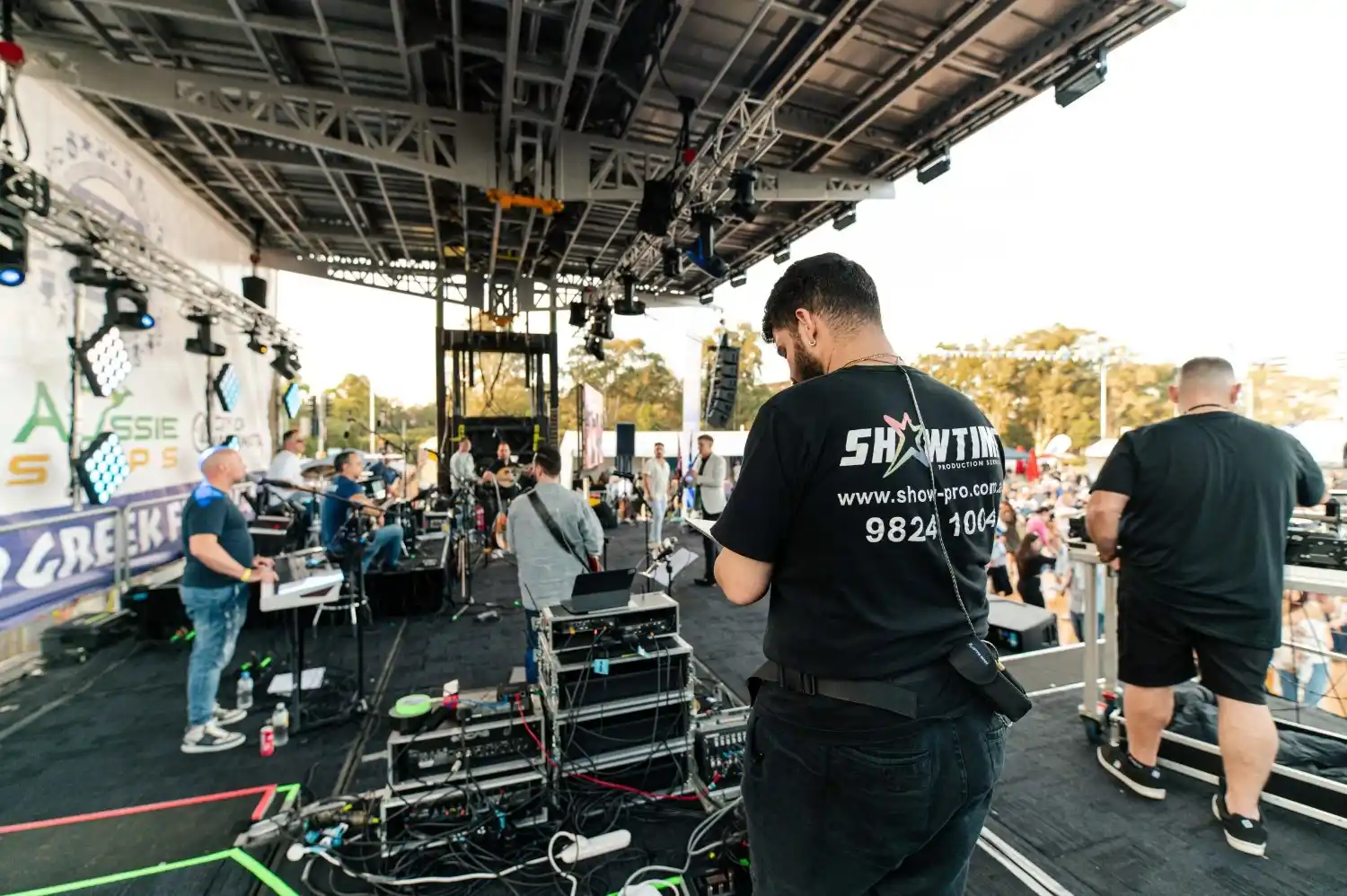
You know that moment before the show starts, when everything clicks into place? The lights, the sound, the energy – flawless. That’s not luck, it’s smart planning and even smarter design behind the scenes.
Bringing scattered tech into one fluid system isn’t about having more gear-it’s about making it all sing together. When that happens, the pressure drops, the focus sharpens, and your audience feels every beat without a glitch.
That’s exactly what we do at Showtime Production Services-connect all the moving parts so your event never misses a note. Let’s bring your next show to life.