
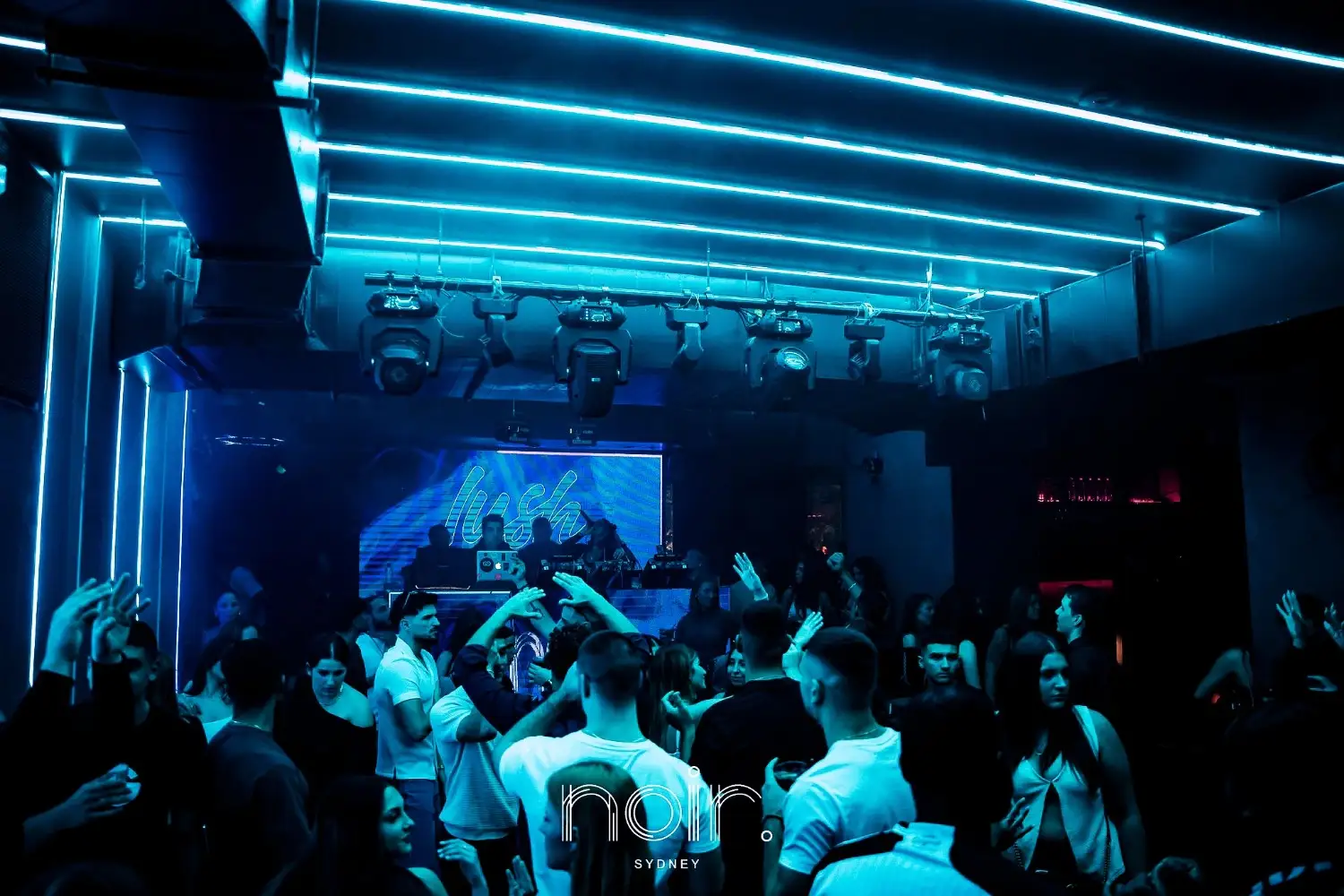
The dancefloor only moves as good as the bass feels – and we’ve all seen nights fall flat because it didn’t. Thumping without clarity or uneven low-end coverage often upsets both the crowd and the venue’s bottom line.
Managing bass in clubs isn’t just about turning up the sub – it’s a balance of placement, tuning, and system harmony. We’ve fine-tuned systems across packed rooms where every square metre needs to feel the music without blowing ears out.
At Showtime Production Services, we help venue owners, planners, and promoters make bass work for the room, not against it. Let’s build sound systems that bring people back week after week for all the right reasons.
Fundamentals of Nightclub Sound Design
Core elements of a club sound setup
If the beat doesn’t hit just right, the crowd won’t either. Every great system starts with balance: punchy lows, clear mids, and crisp highs. Matching the setup to the venue’s musical flavour – like house, techno, or hip-hop – keeps the vibe consistent. Our team always considers room shape and audience flow before suggesting reinforcements. We’ve seen firsthand how intelligent sound distribution turns a good night into a packed one by midnight.
Venue size and audio system configuration
One size doesn’t fit all. Tight spaces work best with powered monitors or compact 2-way systems. Medium spots shine with line arrays and sub support. For large clubs, multiple audio zones and high-output gear are key. At Noir Nightclub, for instance, we installed distributed audio control to keep both the bar and floor pulsing evenly. The room never misses a beat, even during peak trading hours.
Understanding acoustic influences in clubs
The wrong surfaces can ruin your best bass drops. High ceilings, curved walls, concrete floors – these shape how audio moves. We factor reflective materials, echo pockets, and room boundaries into every layout. In certain venues we used surface tuning to eliminate slapback, letting NEXO speakers shine with crisp, defined output. That attention gives every floorwalker the same smooth experience, no matter their spot in the room.
Types of sound system components for clubs
Everything connects: amps, mixers, DSPs, speakers – it all matters. Choosing the right crossover points makes bass solid, not sloppy. Modular systems give you control; pre-configured ones are faster but less flexible. We personally prefer modular places needing diverse sets week-to-week. Our DSP tweak support lets event planners adjust output style without touching a cable. Easy control with professional results keeps returning clients happy.
Effective Bass Management Techniques

Bass control strategies and enhancement
Thumping bass is great until it muddies the whole mix. That’s why we recommend using HPF and LPF filters to give the low-end its own space. Complementary EQ tightens the sound without going into overload. Fixing crossover phase issues avoids those weird hollow spots on the dancefloor. At the Homebush Fashion Show, our mix stayed sharp and fierce – even with 5,000 bodies absorbing the punch.
Subwoofer integration and placement
Where you plant the subs makes or breaks the room’s energy. Clusters under stage work for punch, but evenly spread layouts offer better coverage. Using cardioid setups controls direction and reduces behind-the-booth boom. We time-align subs with main tops so audiences hear it all as one tight rhythm. This method turned Pontoon Bar’s party nights into underwater-smooth grooves, without shaking the neighbours out of bed.
Understanding club bass enhancement tactics
Sometimes the crowd wants to feel it more than hear it. That’s when tools like harmonic exciters and saturation plugins do the trick. Enhancing low-end presence without cranking output avoids blowing the speakers or the audience’s ears. Placement also helps tame room modes. We fine-tuned nightclub zones to avoid hot and cold bass spots, making movement across the floor feel continuous and full.
Maximising bass clarity without distortion
Over-driven bass hurts gear and ears. We keep signal chains clean by avoiding clipping at any stage – from source to speaker. Choosing subs with a sweet match of woofer size and power rating cushions every hit. Sturdy enclosures don’t vibrate or rattle – meaning the only thing shaking is the dancefloor. Birch plywood and properly braced cabinets are our go-tos in every club install.
Acoustic Treatment and Bass Absorption
Soundproofing vs acoustic treatment
Stopping sound from leaking isn’t the same as making it tight. Soundproofing keeps noise inside; acoustic treatment makes the inside sound better. We use mass-loaded barriers and floating floors when neighbours are nearby. Inside, it’s about clarity – so low-end build-up doesn’t turn excitement into a headache. Our clients appreciate the difference every time we tune their floors with proper treatment.
Acoustic treatment tools for nightclubs
We treat the room like a sound instrument. That means using acoustic foam, ceiling clouds, and wall-mounted panels. Strategic placement focuses especially on booths and dancefloors where reflection is worst. Bass traps target muddiness so highs shimmer and bass thumps cleanly. By using tailored absorption, we made sets feel intimate yet powerful – from open to close.
Placement of bass absorbers and diffusers
We always trap the corners first where the bass gathers and loses control. Diffusers along hard parallel walls soften harsh flutter echoes. There’s a fine line between clean audio and a dull room – so live zones stay active. We aim to preserve the club’s character while still delivering precision. The result? Listeners enjoy full presence without feeling overwhelmed, no matter where they sway.
Enhancing the club listening experience
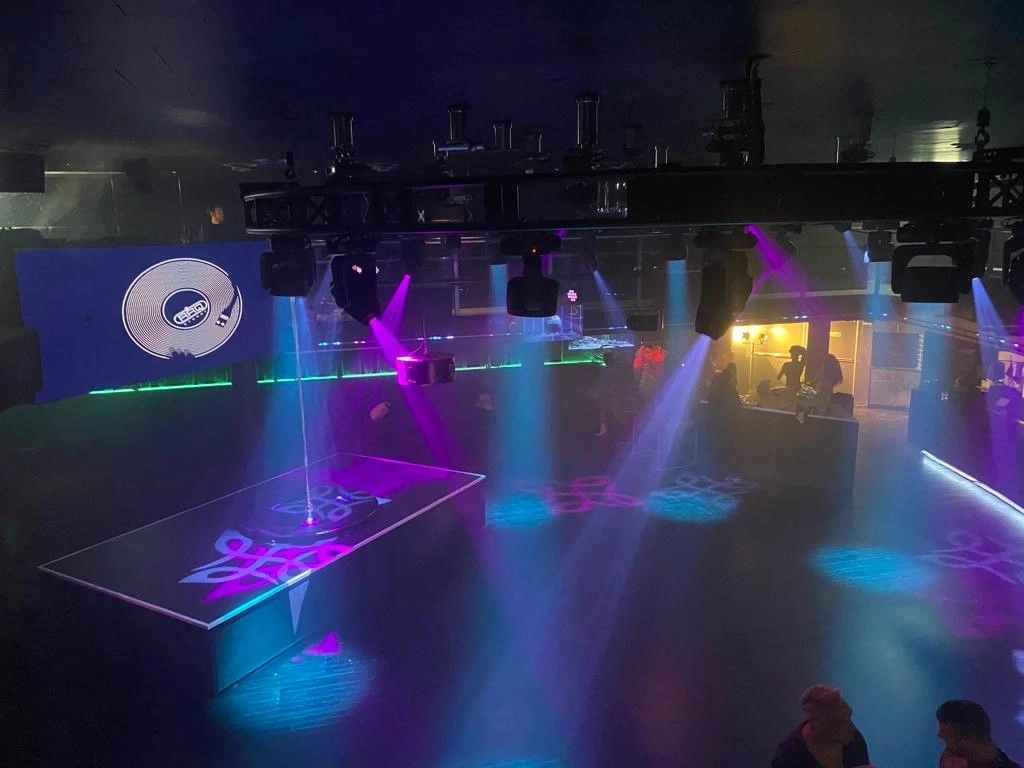
Every patron deserves the same magic. We smooth out uneven frequencies and remove awkward peaks that kill vibes. No more booming in one zone and hollow sound in another. Clients love how smooth transitions make conversation over drinks possible – without sacrificing beat energy on the floor. Consistency keeps guests dancing longer and leaving happy.
Calibration and System Tuning
Using room analysis tools
Before any big night, we pull out our RTA and FFT tools. These show precise peaks and dead spots so we know what to cut or boost. Special mics and reference tones help measure from multiple points. At corporate gigs, this precision kept speeches sharp and beats soulful – on stage and in the back row. It’s a skill and science we trust.
Equalisation and delay settings
Different genres want different EQ curves. Techno likes a punchy low-mid; house riders want more low-sub warmth. We strip out resonant problem tones using narrow cuts instead of heavy scoops. Delay sync across all zones – even balconies – keeps everything locked together. It boosts energy and prevents that awkward echo following the beat around the room.
Speaker and sub alignment techniques
Getting speakers and subs in phase is like getting voices singing in harmony. We use laser alignment for tweeters, then double-check woofer summation for consistent mono bass. Any polarity hiccup ruins impact – so we check, then we check again. Matching crossovers and smart band-passing keep things punchy but controlled.
Nightclub sound check and refinement
We walk the floor with reference tracks once it’s all up. What we hear tells us what to tweak – and often, DJs share extra feedback after booth tests. If the booth sounds off compared to the dancefloor, we address it before doors open. Our process is efficient – music must reach every corner sweetly and on cue.
Equipment Selection and Budgeting
Selecting audio equipment by venue tier
Budgets vary, and so does gear choice. Entry-level systems offer value for music bars or pop-up clubs. Mid-tier kits give better control and reliability. But when high fidelity matters – like at Icebergs Bondi – we roll out top-shelf brands. We always recommend based on use style, footfall, and sound expectations, not just the price tag.
Key components for bass-rich playback
Good bass relies on the right pairings. We use powered subs with high-efficiency class D amps when continuous output is needed. For crossover tasks and protection, DSP units step in. With NEXO speakers, harmonising these parts means even complex track builds sound effortless. Nothing gets lost in the drop.
Essential cabling and signal routing tools
Strong sounds need strong connections. Balanced XLR/TRS cables stop hum and noise. We also focus on laying out clean signal paths with labelled power distribution racks. Analogue connections are still preferred in some booths, but digital desks offer flexibility for multi-zone setups. Both styles help us maintain fidelity across reverent sections and grand finales.
Supporting gear for performance reliability
Power failures mid-set? Nightmare. That’s why we always bring backups. CDJs and DVS systems run through protected racks with surge filters. We include mic routing plans for live acts, plus flight cases for all delicate gear. For outdoor events like Let’s Go Greek Festival, this level of readiness makes everything run smoothly – even with 30,000 people singing along.
Installation, Isolation, and Long-Term Maintenance
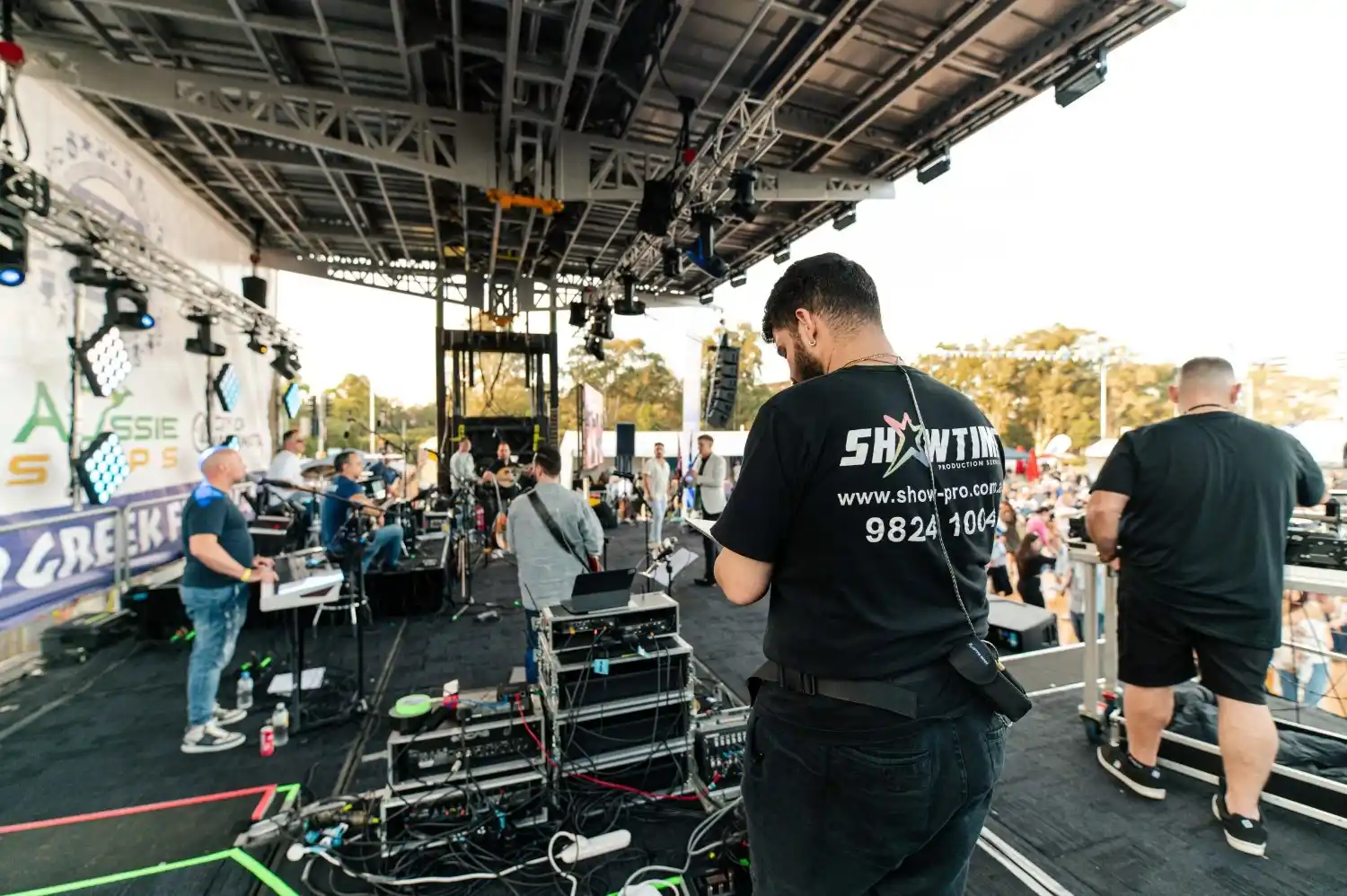
Sound system installation best practices
Every wire tells a story, and we keep it tidy. Labelled cables help with quick fixes. Ventilated amp racks keep heat down, and we use safe rigging hardware to stop any movement up top. Sound installs must look good and last – especially where crowds dance for hours every week.
Sound isolation and noise control
No one wants complaints from next door. We decouple gear from floors and mount speakers on vibration-safe brackets. Bass bleed is common without floating flooring – so we often suggest these in build plans. At venues close to residential areas, this step makes long-term operation trouble-free.
Regular maintenance and system upgrades
Even premium gear wears out. We check cone integrity and software status during routine visits. Any changes in layout or audience size call for a quick retune. Our maintenance plans include diagnostics to catch issues before they impact a big night.
Futureproofing and scalability options
As spaces change, systems should grow too. We favour modular setups so zones and power can scale. Wireless control setups help staff make real-time adjustments without rewiring. New gear lands all the time, so we give clients room to upgrade without a full overhaul.
Frequently Asked Questions
What frequencies are most important for club bass?
60Hz to 100Hz gets the body moving – boost here carefully for punch without overload.
How do you stop feedback in high-volume club environments?
Keep stage mics away from speakers, use notch filters, and avoid unnecessary gain stacking.
What causes muddiness or overwhelming bass in a venue?
Poor sub placement, lack of acoustic treatment, and overlapping frequencies all contribute to mushy lows.
How often should a nightclub retune its sound system?
Quarterly is best. Room changes, décor shifts, and seasonal humidity can all affect alignment.
What decibel limits should you follow in Australian venues?
Each state varies but aim under 95dB-A in continuous operation to stay within most guidelines.
Bass You Can Feel, Control You Can Trust
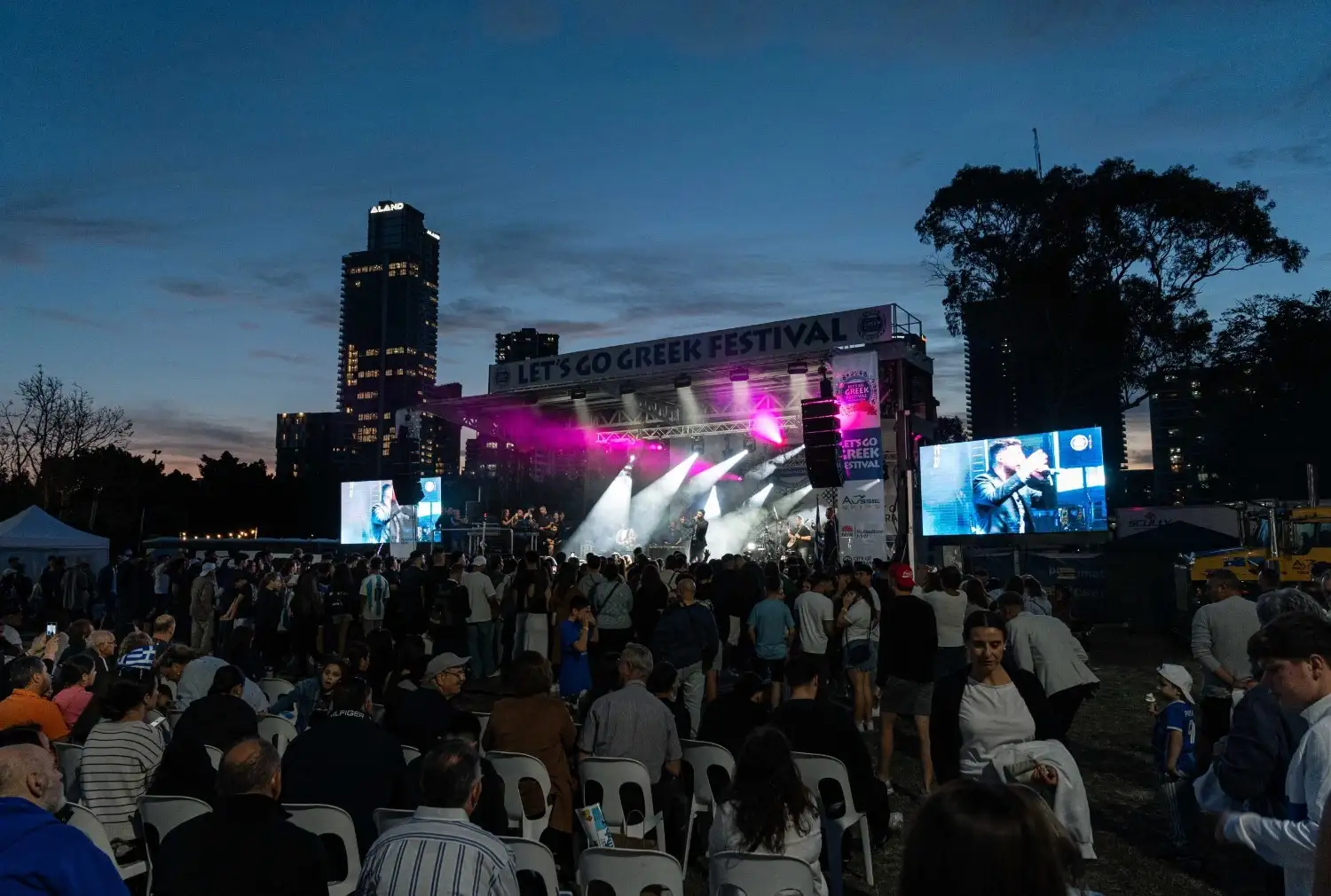
It always comes down to how it makes people feel. If the floor thumps, but the vocals vanish, something’s off. Dialling in bass isn’t just about volume – it’s about balance that moves the room without drowning it.
Getting this right isn’t a lucky guess. It takes solid know-how, the right tools, and a sharp ear to hit that sweet spot. When the bass wraps around the space without muddying the message, you know it’s working.
At Showtime Production Services, we bring precision, experience, and top-tier gear to make every thump count. Let us help you tune your space to perfection – reach out today.