
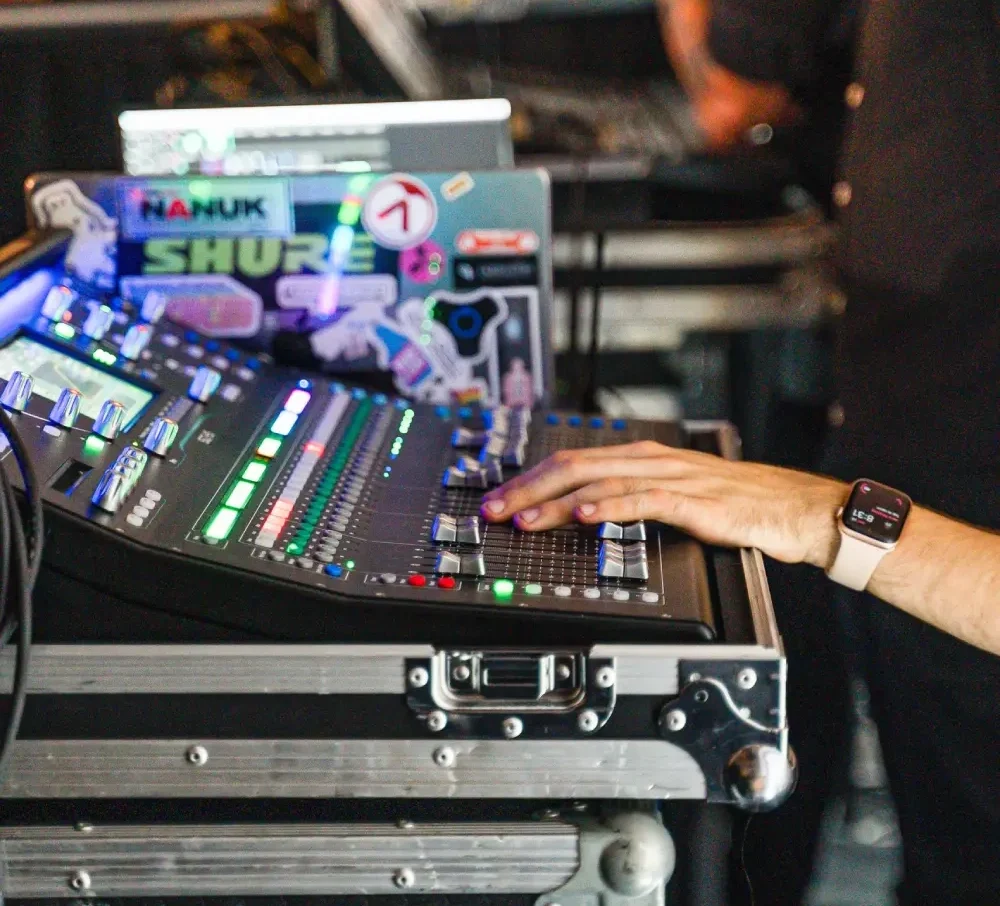
Are you struggling to control sound across your venue, event, or install? You’re not alone – it’s a common frustration. Audio can make or break an experience, and without the right control system, even great equipment falls flat.
From simple fader consoles to advanced networked setups, choosing what works best can feel overwhelming. Every venue has its quirks, and getting the balance right between clarity, flexibility, and ease is no small feat.
At Showtime Production Services, we work closely with event pros like you who value flawless outcomes and smart solutions that just work. Showtime brings clarity to every sound decision – whether it’s for a stadium, studio, or intimate celebration.
Understanding the Fundamentals of Audio Control Systems
Introduction to Audio Control Basics
Whether you’re running an event or managing a venue, sound control starts with understanding the building blocks. Audio control systems begin with sources like microphones or playback devices, feeding signals through mixers or processors.
Control interfaces such as faders and software tools shape and direct that flow. Choosing between analogue and digital is a key step – analogue offers simplicity, while digital provides flexibility and precision. At Showtime Productions, we’ve set up for places depending on their real-world needs.
Core Elements of Audio Signal Flow
The magic of clear audio lies in how the signal travels from input to output. Start with great sources, route them properly, and control volume at every stage. Understanding gain structure avoids distortion or weak output. We’ve fine-tuned this flow for events ensuring each note lands exactly as intended.
Types of Audio Control Systems
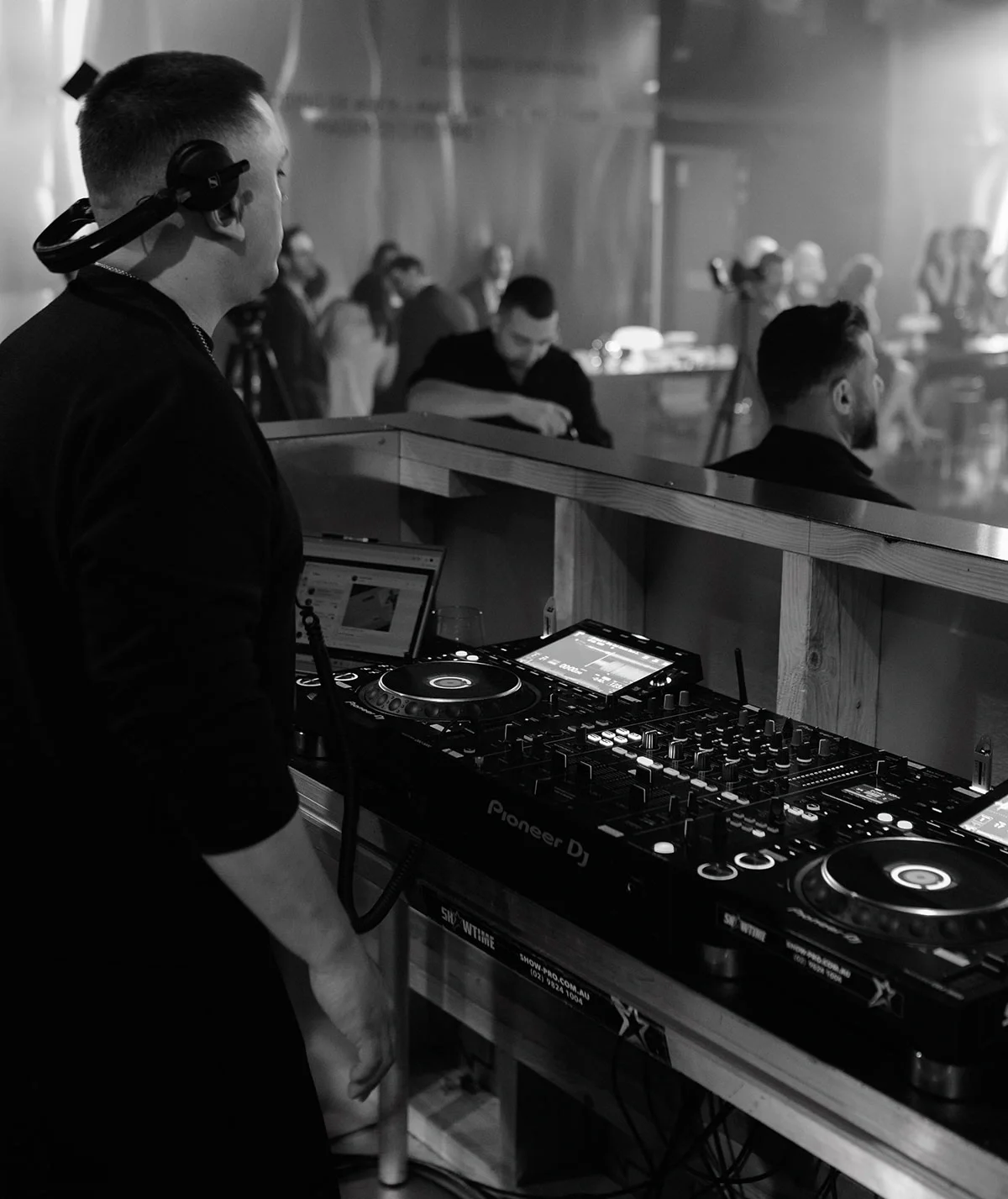
No two events or venues need the same setup, which is why control systems come in many forms. Standalone units suit smaller spaces, while integrated ones handle layered control for spaces like theatres or clubs. Mixing consoles and DSP-based systems both allow sound shaping but vary in flexibility. We’ve delivered both software and hardware solutions – from floating function spaces to nightclubs like Noir.
Shifting Beyond the Basics: Intermediate Configurations
Configuration Tools and Management Interfaces
When events demand responsiveness, intuitive control interfaces become invaluable. Touch panels, remote access, and preset layers simplify operation for both rehearsed crews and first-timers. We’ve installed these across multiple levels, letting staff call up mood-specific sound settings fast. Integration with AV-over-IP keeps control centralised and flawless between devices.
Networking and Interoperability
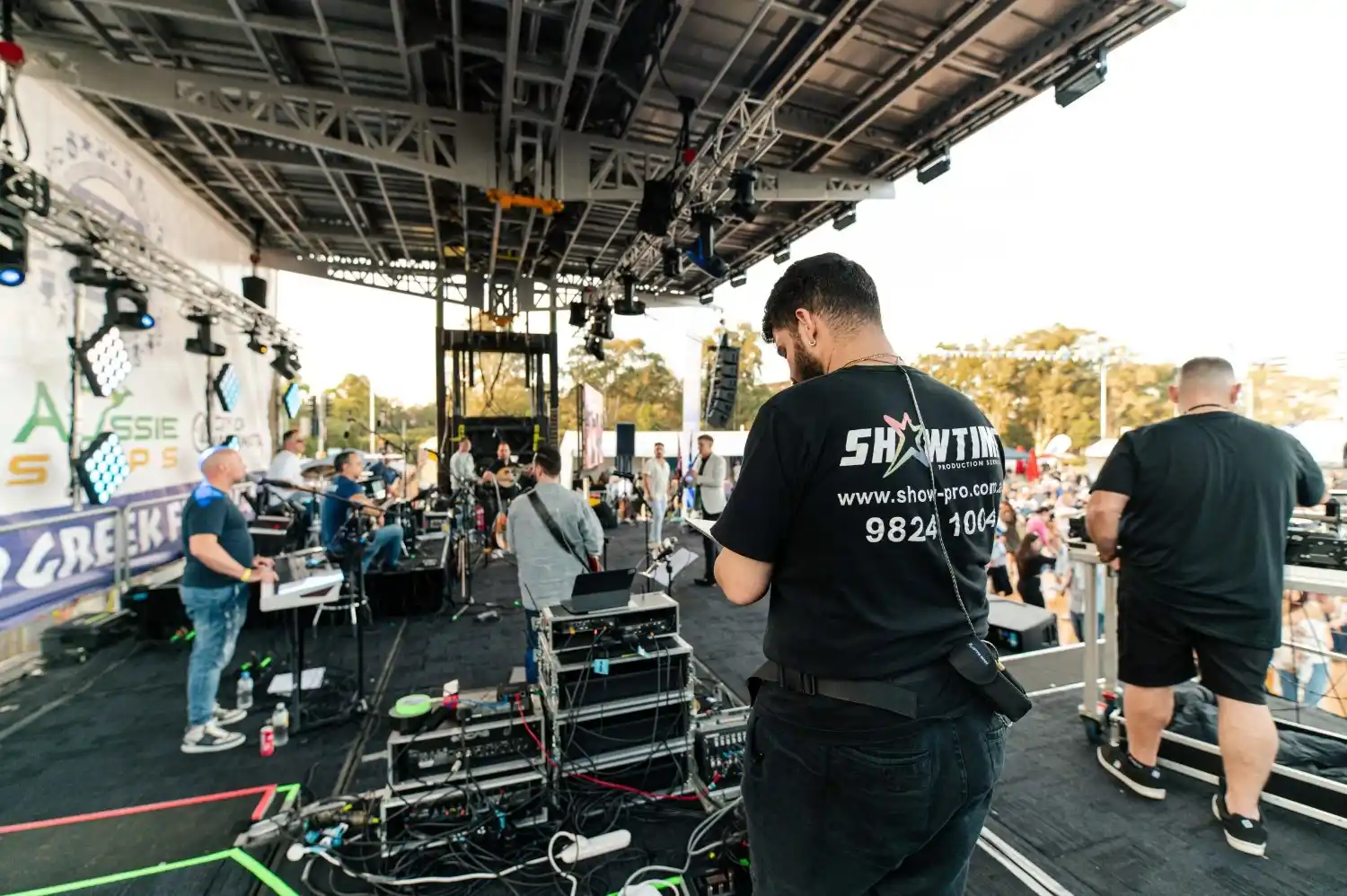
For larger venues or distributed setups, networked audio steps in. Systems like Dante or AVB streamline communication between devices over LAN or WAN. We use unified platforms that combine control of lighting, video, and audio – ideal for festivals like Let’s Go Greek. This keeps coordination sharp and ensures things work together without delays or hitches.
Mid-Sized Venue Integration
Spaces like lecture halls or houses of worship need adaptability with minimal hands-on tweaking. Sound must work equally well for speech and live music, often within the same schedule. We configure systems with clarity and fail-safes in mind. Backup lines and zoned audio keep content flowing, like we did at events where acoustics meet atmosphere.
Exploring Complex System Integration
Advanced Custom Audio Control Design
Larger setups demand more control – and smarter automation. Matrix routing sends audio to multiple zones, while scene recall and adaptive DSP adjust settings on the fly. This is how we customise atmospheres across three levels. Each deck has its unique vibe but is still part of one controlled sound system.
Challenges in Managing Sophisticated Controls
With big systems come small but mighty challenges. Latency can throw off synchronisation, and incorrect calibration muddies output. We use real-time diagnostics and data logging for deep system visibility. Our projects at Fashion Shows relied heavily on equalised systems that never missed a synth beat.
Integration in Large Venues and Performance Spaces
Stadiums, concert halls, and performance theatres need more than loud sound – they need controlled sound. We factor in paging systems, assistive tech, and real-time feedback for dynamic performances. At events like the Fashion Show in Homebush, every sound contributes to the story. We ensure alignment between live reinforcement, visuals, and staging for perfect execution.
Factors Influencing Audio Control Systems and Performance
Human Interface Considerations
Great sound systems aren’t much help if users can’t handle them. We design custom control surfaces and simplify access levels based on roles and skills. Operators at educational spots like Waverley College benefit from a clear path: simple faders for staff, deeper access for pros. Keeping it user-friendly ensures success daily – not just during major events.
System Scalability and Futureproofing
Venues grow. Needs change. Systems must evolve without starting over. We rely on modular builds and software-based controls so future upgrades are smooth. Our systems at projects like St Mary’s handle both current needs and tomorrow’s tech growth. We also ensure compatibility with building systems where required – keeping systems smarter, longer.
Frequently Asked Questions
What Determines the Best Audio Control System for My Space?
It depends on size, purpose, and how complex your usage is. For instance, a theatre needs zoning and scene recall, while a classroom setup needs simplicity and clarity.
Can Basic Audio Panels Be Scaled Over Time?
Absolutely. Start with a base system and expand with digital processors or networked elements. We’ve done this for clients – starting small, growing smart.
What Is the Learning Curve for Using Audio Control Systems?
A clean interface makes all the difference. We tailor each system to the team’s experience – from basic mixers to fully automated touch control panels.
How Do Control Systems Affect Overall Audio Quality?
Massively. The right gain structure, zoning, and processing shape the final output. A good control system doesn’t just move signals – it enhances how it’s heard.
Do I Need an AV Integrator to Set Up My Audio Control System?
If your system involves integration, automation, or multiple devices, then yes. We’ve helped both first-time business clients and seasoned production teams make systems sing without the stress.
From concept to completion – our team at Showtime Production Services brings your vision to life with audio that speaks clearly and truly.
Contact us at (02) 9824 1004 or visit us at Unit 2, 13-14 Hallstrom Place, Wetherill Park, NSW. Let’s craft something unforgettable – together.
Sound That Speaks for You
Getting your sound right isn’t just about gear – it’s about control, clarity, and how people feel in the moment.
When your audio system responds smoothly and instantly, the entire experience feels polished. Whether it’s a wedding or a product launch, the sound should feel like an extension of the message itself – not a distraction.
The best setups aren’t always the loudest or the biggest. They’re the systems that disappear into the background while making everything else feel confident and seamless. Knowing how each piece fits together helps bring that invisible magic to life.
We design and install audio control systems that don’t just fill a room – they shape the mood. Let’s make every word count with Showtime Production Services.