Table of Contents
The Physical Implementation of Audio Visual Equipment refers to the on site installation, configuration, mounting, cabling and testing of AV systems so they operate safely and reliably in a real environment. It covers everything from securing displays and running structured cabling to calibrating sound systems and integrating control platforms. For Australian businesses, schools and event venues, proper implementation is what turns a well designed AV plan into a functional system that performs consistently.
Bring Your Event to Life
From live events to permanent AV installations, we deliver reliable, high-quality solutions tailored to your needs. Contact our team today for a customised quote.
Why Physical Implementation Matters
Even the most advanced equipment can underperform if it is not installed correctly. The Physical Implementation of Audio Visual Equipment directly impacts sound clarity, image quality, system reliability and user experience. Poor cable management, incorrect speaker placement or inadequate ventilation can result in technical faults, safety hazards and unnecessary maintenance costs.
In Australia, compliance with local building codes and electrical standards is essential. Installations must meet WHS requirements and align with Australian Standards for cabling and electrical safety. This is particularly important in corporate offices, hospitality venues, universities and healthcare facilities where system downtime can affect operations.
Key Stages of On Site AV Implementation
Site Inspection and Assessment
Before installation begins, a detailed site inspection is carried out. This includes measuring room dimensions, identifying power sources, reviewing network infrastructure and assessing acoustic conditions. In venues across Sydney, Melbourne or Brisbane, construction materials and ceiling heights can significantly influence speaker positioning and display mounting.
Mounting and Hardware Installation
Secure mounting is critical for screens, projectors, speakers and cameras. Wall brackets and ceiling mounts must support the weight of the equipment and allow for optimal viewing angles. In commercial environments, tidy and secure mounting also supports a professional appearance.
Cabling and Connectivity
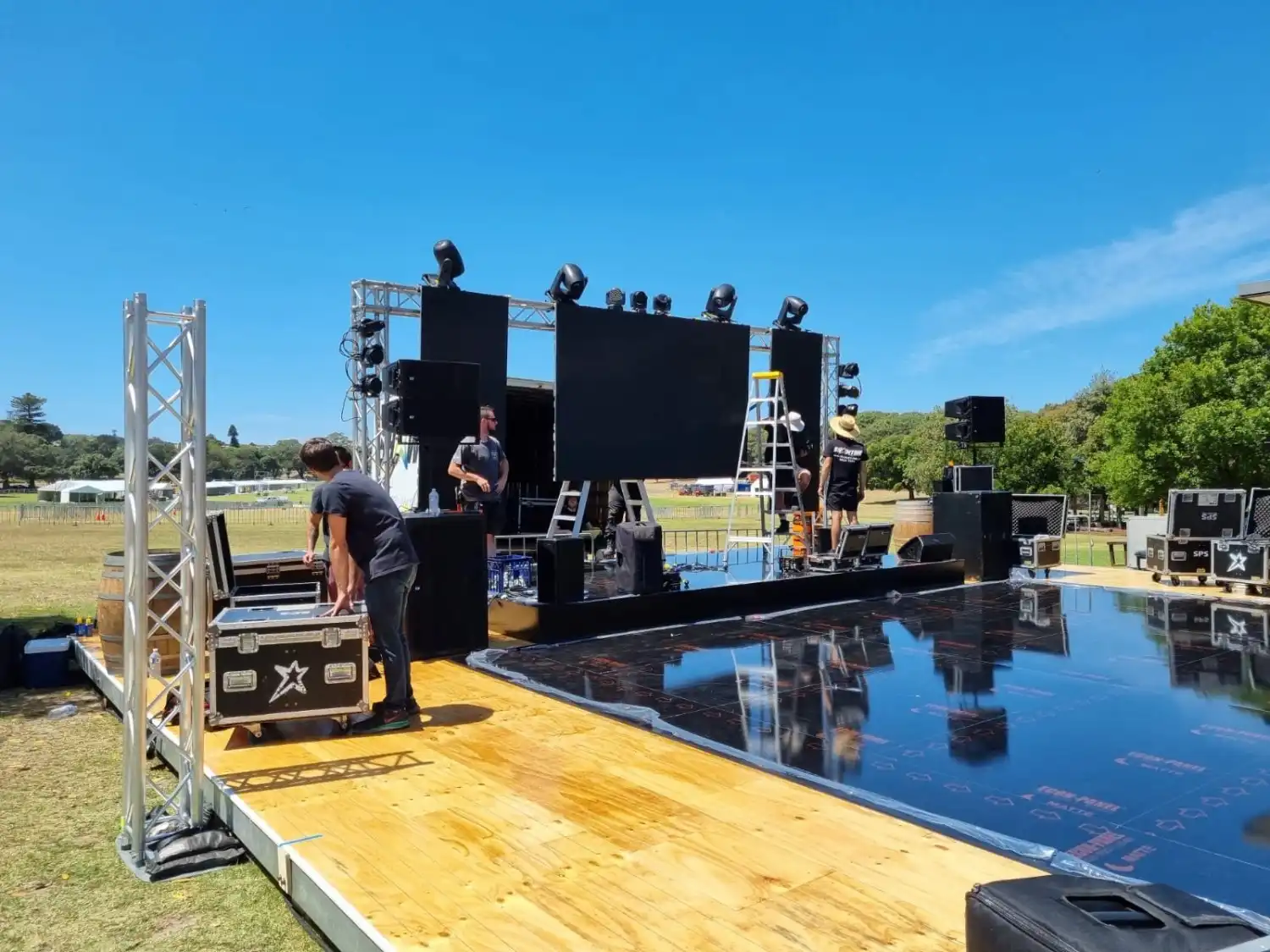
Structured cabling is the backbone of any AV system. This stage involves running HDMI, fibre optic, Cat6 or other required cables through walls, ceilings or floor ducts. Proper labelling and cable management reduce future troubleshooting time and keep installations compliant with safety standards.
System Configuration and Integration
Once hardware is in place, technicians configure software, connect devices to networks and integrate control systems. This may include linking touch panels, wireless presentation systems and video conferencing platforms. Calibration ensures balanced audio levels and sharp visuals.
Testing and Commissioning
Final testing confirms that every component functions as intended. This includes checking microphone clarity, display resolution, signal routing and user interface responsiveness. Commissioning also involves user training so staff can confidently operate the system.
Common Challenges in Australian Installations
Australian venues often present unique challenges such as heritage building restrictions, large open plan offices and outdoor event spaces exposed to weather conditions. Acoustic reflections in high ceiling function centres and glare from natural light in boardrooms require careful planning during physical installation.
Working with an experienced provider such as Showtime Productions can help businesses avoid costly rework. Their team understands local compliance requirements and ensures installations are completed efficiently and safely.
If you are planning a new office fit out or upgrading your conference facilities, it may be worth discussing your requirements with Showtime Productions to ensure the installation aligns with your operational goals.
Benefits of Professional AV Implementation
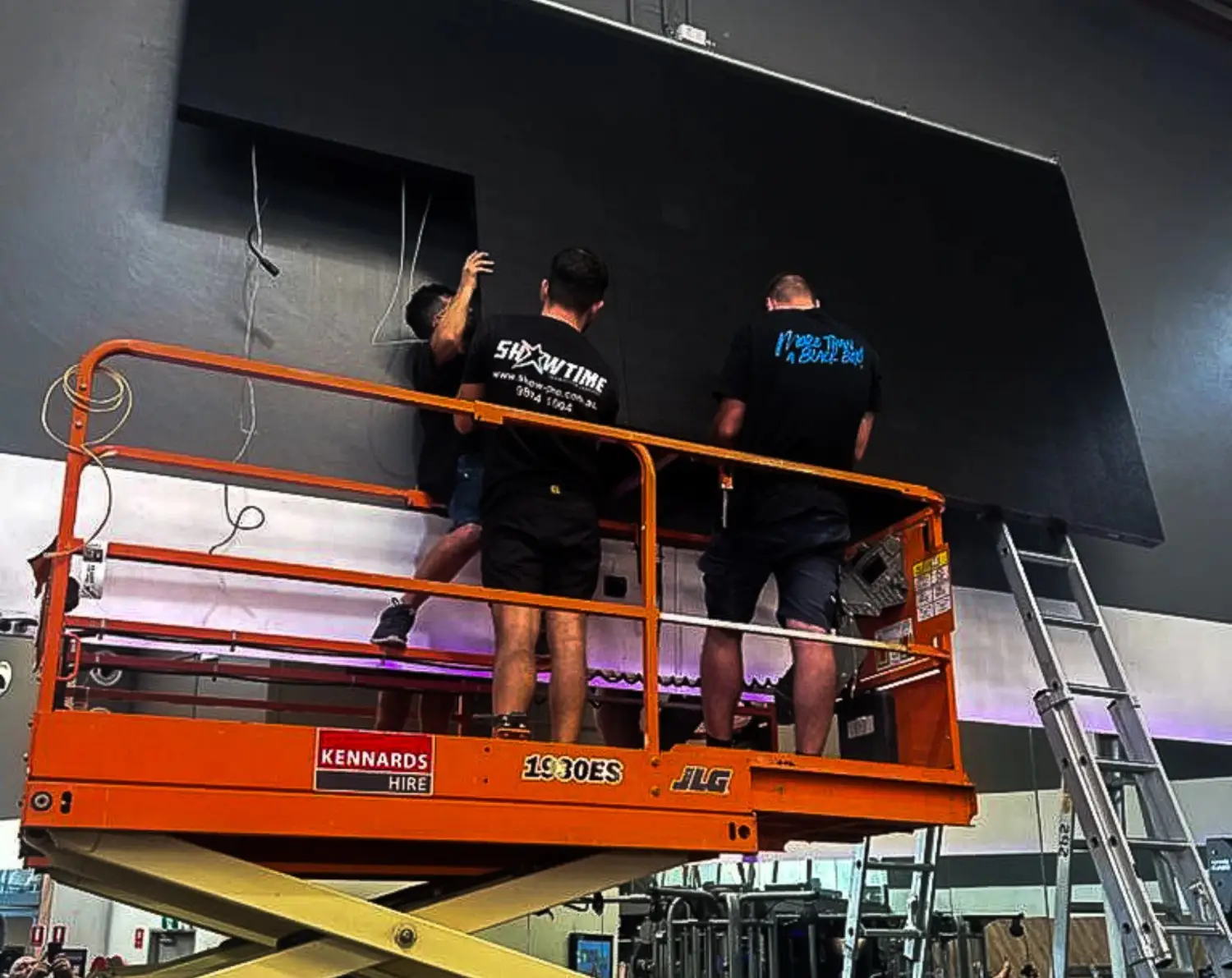
Engaging specialists ensures that equipment is installed correctly the first time. This reduces downtime, improves system lifespan and supports consistent performance. It also protects your investment by preventing damage caused by incorrect mounting or power configuration.
For organisations managing large venues or multi room facilities, partnering with Showtime Productions offers the advantage of coordinated project management from design through to final commissioning.
When your business relies on clear communication and professional presentation, you cannot afford installation errors. Contact Showtime Productions today to arrange a consultation and secure a reliable AV setup tailored to your space.
Let's Create Something Extraordinary
Create unforgettable experiences with professional audio visual, lighting, and production services. Speak with our experts today and bring your vision to life.
Frequently Asked Questions
What is included in the Physical Implementation of Audio Visual Equipment?
It includes hardware installation, mounting, structured cabling, system configuration, integration with existing infrastructure and full testing before handover.
How long does an AV installation take?
Timeframes vary depending on project size. A single meeting room may take one to two days, while large corporate or event spaces can require several weeks.
Do AV installations need to meet Australian standards?
Yes. Electrical work, data cabling and mounting must comply with relevant Australian Standards and local building regulations.
Can existing equipment be reused during installation?
In many cases, yes. A professional assessment will determine compatibility with new systems and whether upgrades are required.
Why should I use a professional AV provider?
Professional installers reduce risk, improve system reliability and ensure compliance with safety regulations, saving time and long term costs